As a supplier of dust removal equipment, I’ve witnessed firsthand the complexity of pricing in this industry. Many factors contribute to the final price of dust removal equipment, and understanding these elements is crucial for both buyers and sellers. In this blog, I’ll delve into the key factors that affect the price of dust removal equipment, providing insights that can help you make informed decisions when purchasing or considering such products. Dust Removal Equipment
1. Type of Dust Removal Equipment
The type of dust removal equipment is one of the most significant factors influencing its price. There are several common types, each with its own unique design, functionality, and cost structure.
Baghouse Filters
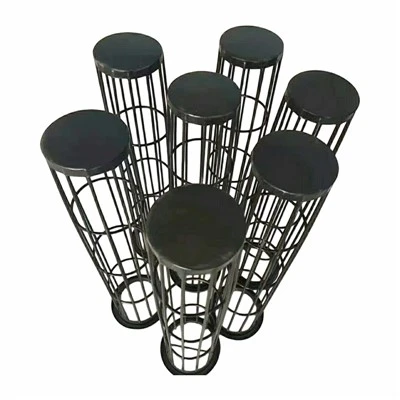
Baghouse filters are widely used in industrial applications for their high efficiency in capturing dust particles. They work by passing dusty air through a series of fabric bags, which trap the dust while allowing clean air to pass through. The price of baghouse filters can vary depending on the size, the type of fabric used for the bags, and the complexity of the filtration system. High – temperature or chemical – resistant fabrics are more expensive, which in turn increases the overall cost of the equipment.
Cyclone Separators
Cyclone separators are relatively simple and cost – effective dust removal devices. They use centrifugal force to separate dust particles from the air. Their design is less complex compared to other types of equipment, which generally results in a lower price. However, their efficiency is limited, especially for finer dust particles, and they are often used as a pre – treatment step before other more advanced filtration systems.
Electrostatic Precipitators
Electrostatic precipitators are highly efficient at removing dust from industrial flue gases. They use an electrostatic charge to attract and collect dust particles. The construction of electrostatic precipitators involves complex technology and high – quality materials, making them more expensive than other types of dust removal equipment. The cost is also affected by the size of the precipitator, the voltage requirements, and the level of automation.
2. Equipment Size and Capacity
The size and capacity of dust removal equipment are directly related to its price. Larger equipment with higher capacity is generally more expensive because it requires more materials and manufacturing efforts.
A dust removal system designed for a small workshop will have a lower price compared to a system intended for a large industrial plant. The larger the airflow rate the equipment needs to handle, the larger its physical size and the more powerful its components (such as fans and motors) must be. This not only increases the cost of the raw materials but also the complexity of the installation and maintenance.
For example, a small baghouse filter designed to handle an airflow of 1000 cubic meters per hour will cost significantly less than a large – scale baghouse filter capable of handling 100,000 cubic meters per hour. The larger filter will require more fabric bags, a stronger frame, and a more powerful fan to ensure proper airflow, all of which add to the overall cost.
3. Material Quality
The quality of materials used in the construction of dust removal equipment has a substantial impact on its price. High – quality materials not only ensure better performance and durability but also increase the initial investment.
Housing Materials
The housing of dust removal equipment can be made from various materials, such as carbon steel, stainless steel, or fiberglass. Carbon steel is the most common and affordable option, but it may require regular painting or coating to prevent corrosion. Stainless steel is more expensive but offers excellent corrosion resistance, making it suitable for harsh environments or applications where the dust is corrosive. Fiberglass is lightweight and corrosion – resistant, but it may have limitations in terms of strength and temperature resistance.
Filtration Media
The filtration media, such as the fabric in baghouse filters, is another critical component. High – quality filtration media can provide better filtration efficiency, longer service life, and resistance to high temperatures or chemicals. Polyester felts are a common and relatively inexpensive option, while more advanced materials like PTFE (polytetrafluoroethylene) membranes or aramid fibers are more expensive but offer superior performance in specific applications.
4. Filtration Efficiency Requirements
The level of filtration efficiency required by the application is a key factor in determining the price of dust removal equipment. Higher filtration efficiency means that the equipment needs to capture smaller dust particles, which often requires more advanced technology and better – quality components.
In applications where strict environmental regulations or product quality standards must be met, such as in the pharmaceutical or electronics industries, a high – efficiency dust removal system is essential. These systems typically use multiple stages of filtration, such as pre – filters and final filters, and more advanced filtration media to ensure that the air leaving the system is almost completely free of dust.
On the other hand, in less demanding applications, such as a general industrial workshop where the main concern is to reduce visible dust, a less efficient and less expensive dust removal system may be sufficient. For example, a cyclone separator may be able to meet the basic needs of dust reduction in some cases, while a more complex and expensive HEPA (High – Efficiency Particulate Air) filter system would be overkill.
5. Customization and Special Features
Custom – designed dust removal equipment usually comes at a higher price than standard off – the – shelf models. Each industrial process has unique characteristics, such as the type of dust, the airflow pattern, and the space limitations. When a customer requires a customized dust removal solution, the supplier needs to invest time and resources in engineering design, system integration, and testing.
Special features also contribute to the increased cost of dust removal equipment. For example, equipment with automated cleaning systems, such as pulse – jet cleaning in baghouse filters, can reduce manual labor and maintenance time but will add to the overall price. Additionally, equipment with advanced monitoring and control systems, which allow for real – time adjustment of the operating parameters, is more expensive than basic models.
6. Brand and Manufacturer Reputation
The brand and reputation of the manufacturer can also affect the price of dust removal equipment. Well – established brands with a long history of producing high – quality equipment often charge a premium for their products. These brands typically invest heavily in research and development, quality control, and customer service, which are reflected in the price.
Customers are often willing to pay more for products from reputable manufacturers because they have more confidence in the reliability, performance, and after – sales support of these products. However, it’s important to note that a higher price does not always guarantee the best value. Some smaller or emerging manufacturers may offer high – quality products at a more competitive price, as they are trying to gain market share.
7. Market Conditions
Market conditions, such as supply and demand, raw material prices, and competition, have a direct impact on the price of dust removal equipment.
When the demand for dust removal equipment is high, such as during a period of increased industrial activity or stricter environmental regulations, the prices tend to rise. Conversely, when the market is saturated with suppliers or the demand is low, prices may be more competitive as manufacturers try to attract customers.
Fluctuations in raw material prices, such as steel, aluminum, and various polymers, can also affect the cost of manufacturing dust removal equipment. If the price of steel increases significantly, the cost of the equipment’s housing and structural components will rise, leading to an overall price increase.
Competition among manufacturers also plays a role in pricing. In a highly competitive market, manufacturers may offer discounts, promotions, or value – added services to differentiate their products and gain an edge over their competitors.
Conclusion
In conclusion, the price of dust removal equipment is influenced by a multitude of factors, including the type of equipment, its size and capacity, the quality of materials, filtration efficiency requirements, customization, brand reputation, and market conditions. As a supplier, I understand that customers are looking for the best value for their money, which means finding the right balance between price and performance.
If you are in the market for dust removal equipment and want to discuss your specific needs, I would be more than happy to assist you. Our team of experts can provide you with detailed information, customized solutions, and competitive pricing. Contact us to start the procurement negotiation process and find the ideal dust removal equipment for your application.
Waste Gas Treatment Equipment References
- "Industrial Air Pollution Control Handbook", Second Edition, by David A. Corcoran
- "Dust Collection Handbook", Third Edition, by Daniel Cohen
Hebei Angran Environmental Protection Equipment Co., Ltd.
As one of the most professional dust removal equipment manufacturers and suppliers in China, we’re featured by quality products and good service. Welcome to wholesale durable dust removal equipment in stock here and get pricelist from our factory. We also accept customized orders.
Address: North of Jiaoqiao Village, Waliwang Town, Botou City, Cangzhou City, Hebei Province, China
E-mail: angranhb@163.com
WebSite: https://www.arhbsb.com/
