If you’ve ever stepped foot inside a cold rolling mill, you know it’s less a collection of machines and more a finely tuned, high-stakes symphony of metal deformation. Every part—from the work rolls that bend steel to the control systems that keep tensions tight—works in lockstep to turn hot-rolled coils into precise, gauge-critical materials for automotive, aerospace, construction, and beyond. But I’ve been in this game as a cold rolling equipment supplier for 18 years, and I can tell you this: even the most well-built mill won’t stay at peak performance forever. Last year alone, I talked to three different fabricators who’d sunk six-figure sums into new equipment that wasn’t a good fit for their output volumes, while another two struggled with a 10-year-old mill that was burning through parts and costing them 15% more per ton than competitors using upgraded lines. Cold Rolling Equipment
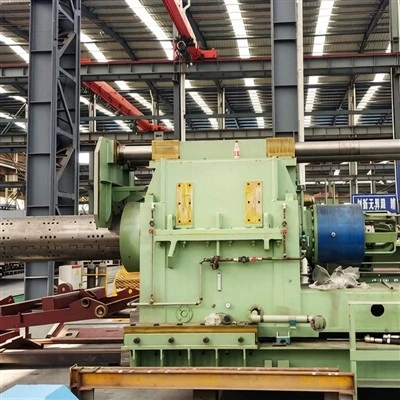
Upgrading cold rolling equipment isn’t just about fixing a broken part—it’s about future-proofing your operation, cutting costs, and keeping up with tightening quality standards. The wrong upgrade, though, can throw your production line off, lead to unplanned downtime, or even waste money on features you don’t need. Over the years, I’ve walked through hundreds of mill upgrades, working with small job shops and large global manufacturers, and I’ve learned that there’s no one-size-fits-all approach. Below, I’ll break down the most practical, proven upgrade methods we deploy for our clients, when each makes sense, and what you need to know to make the right call for your business.
First, let’s get clear on why most cold rolling mills need upgrades, not full replacements. Full line overhauls run $2 million to $10 million, depending on capacity, and require 12 to 16 weeks of downtime—time most shops can’t afford, especially with order backlogs. Targeted upgrades, by contrast, often cost 20% to 30% of a new line’s price, can be phased in around scheduled downtime, and deliver 5% to 12% faster output or lower operating costs in the first year alone. The key is identifying your bottlenecks. Most mills have one weak link dragging down the whole line: maybe your work rolls are wearing out faster than they should, or your control system can’t adjust to new material grades fast enough. That’s where targeted upgrades come in.
The first, and most common, upgrade method we recommend is Work Roll and Back-up Roll Enhancement. Rolls are the beating heart of a cold mill—they exert thousands of pounds of force to flatten and thin metal, and their condition directly impacts gauge accuracy, surface finish, and how often you have to shut down to replace them. I once had a client, a specialty steel job shop in Ohio, whose 12-year-old four-high mill was going through a set of work rolls every six weeks. Each replacement took eight hours of downtime, and the rolls cost him $12,000 a set. When we inspected the rolls, we found they were made of a generic high-chrome steel that wasn’t heat-treated or ground to the tight surface tolerance required for his thin-gauge automotive parts. We upgraded him to precision-ground, high-performance coated work rolls—specifically designed for thin-gauge, high-strength steels—and paired them with optimized back-up rolls that distributed force more evenly to reduce work roll deflection. The result? His roll life jumped to 22 weeks, downtime for roll changes dropped by 50%, and he cut his annual roll costs by $96,000.
Not all roll upgrades are the same. If your mill is running heavy-gauge structural steel, we’ll suggest a different roll material and coating than if you’re making thin foil for food packaging. Another common roll upgrade is roll grinding automation. Many older mills still have operators manually measuring roll surface wear and adjusting grind parameters, which leads to uneven grinding, premature roll failure, and inconsistent surface finish. Adding a CNC roll grinder with in-situ surface mapping cuts grind time by 30% and reduces roll waste by up to 10%. For clients with multi-stand tandem mills, we also offer roll contouring upgrades that adjust roll shape across the width to compensate for edge thinning—something that was done manually 10 years ago but now uses real-time data to keep the entire coil within ±0.0005 inch gauge tolerance.
Next on the list: Control System and Automation Retrofits. This is the upgrade that pays off faster than any other, in my experience. Most mills built before 2010 rely on analog or early digital control systems that can’t process the volume of real-time data modern operations need. I saw this firsthand with a mid-sized automotive parts supplier in Michigan. Their 2008 tandem mill was running 80 hours a week, but their control system couldn’t coordinate roll speed, tension, and force across the five stands, leading to 2% scrap rates from mismatched gauge thickness and frequent coil breaks that shut down the line for two to three hours at a time. We upgraded their entire control system with a modern PLC (programmable logic controller) paired with HMI (human-machine interface) screens that give operators real-time visibility into every stand’s performance, plus an automated tension control system that adjusts within 0.1 seconds of a coil thickness change. Within three months, their scrap rate dropped to 0.8%, unplanned downtime fell by 18%, and they added 500 tons of output a month without running extra shifts.
Control system upgrades aren’t just for new data features. Older mills often use separate, incompatible systems for roll gap adjustment, speed control, and quality monitoring. Integrating all these systems into a single network reduces communication delays and makes it easier to add other upgrades later, like predictive maintenance sensors. One tip I always share: when you do a control retrofit, make sure it’s compatible with your existing hardware, at least for the first phase. You don’t want to replace your control system only to find your old work rolls or drive motors can’t communicate with the new software. We design our control retrofits to work with most major mill brands, so our clients don’t have to rip out functional parts just to keep their new system running.
Third, Drive and Motor Upgrades. Drive systems power every part of the mill—from the work rolls to the coil reels—and if they’re outdated, they limit how fast your mill can run and how accurately it can adjust speed. Older DC drive systems are less energy-efficient, have higher maintenance needs, and can’t adjust speed as quickly as modern AC variable frequency drives (VFDs). I worked with a fabricator in Pennsylvania that had a 1999 reversing cold mill running at 60% capacity because their DC drives couldn’t handle the torque needed for high-strength steel coils without stalling or slowing down. We upgraded their main work roll drives to high-torque AC VFDs, which cut energy use by 25% and increased maximum roll speed by 20%. They were able to run higher-strength steel grades without risking line shutdowns, and their overall output went up by 35% within six months.
Drive upgrades also include reel systems, which are often overlooked. Modern cold rolling requires precise tension control on the entry and exit reels to prevent coil distortion, especially for thin-gauge materials. Older reel drives use open-loop control that can’t adjust tension when the coil diameter changes, leading to wrinkles or breaks. Adding closed-loop tension control to the reels, paired with a load cell system that measures tension in real time, is a relatively low-cost upgrade that delivers big gains in material quality. One job shop I work with added reel tension upgrades for their reversing mill, and they stopped having to scrap entire coils from wrinkling—saving them $45,000 a year in material waste.
Fourth, Process Optimization and Value-Add Line Add-ons. This upgrade method is for clients who want to not just maintain current production, but expand their capabilities without a full line replacement. A lot of mills come to us wanting to switch to new material grades—like advanced high-strength steel (AHSS) or aluminum—for automotive or aerospace clients, but their existing line isn’t set up to handle these materials. For example, AHSS requires higher rolling force and more precise lubrication to avoid cracking, so we might add a high-pressure lubrication system and upgrade the mill’s force measurement sensors. For a client in Texas that wanted to start producing aluminum foil for packaging, we added a tension leveling stand to their existing four-high mill, which removes material stress from cold rolling to make foil flat and uniform enough for food packaging standards. This upgrade cost them 15% of a new foil mill’s price, and they were able to launch their new product line six months faster than if they’d ordered new equipment.
Process upgrades also include sustainability-focused modifications, which are more in demand than ever. Many cold rolling mills use large amounts of water for lubrication and cooling, and upgrading to a closed-loop lubrication system that filters and recycles 95% of the lubricant reduces water use by 80% and cuts chemical waste. We’ve done this for several clients, and not only do they save thousands in utility and waste disposal costs, but many of their automotive clients now require their suppliers to meet certain environmental standards—making the upgrade a requirement for new contracts.
Now, let’s talk about when not to upgrade. If your mill is over 20 years old, has extensive structural damage, or can’t keep up with safety regulations no matter what you do, a full replacement might be more cost-effective. Last year, we had a client in Indiana with a 1998 mill that had been poorly maintained—its foundation was cracked, and the work stand was misaligned so bad that even new rolls and controls couldn’t fix the gauge accuracy. In that case, we helped them compare the cost of upgrading every critical component (estimated at $1.8 million) versus a new line ($2.5 million), and they chose new because the upgraded line would have still had outdated structural parts that would have failed in three to five years. The key here is to do a full audit before committing to any upgrade: check the mill’s structural integrity, current production rates, scrap costs, and future capacity needs.
As a cold rolling equipment supplier, my job isn’t to sell you the most expensive upgrade—it’s to help you pick the one that fits your operation. I always start with a free on-site assessment: we walk your mill, check every stand, review your maintenance logs, scrap rates, and production goals, then put together a custom upgrade plan. This might be a single roll upgrade for a small job shop that only runs thin-gauge coils, or a full control and drive retrofit for a large manufacturer looking to increase output.
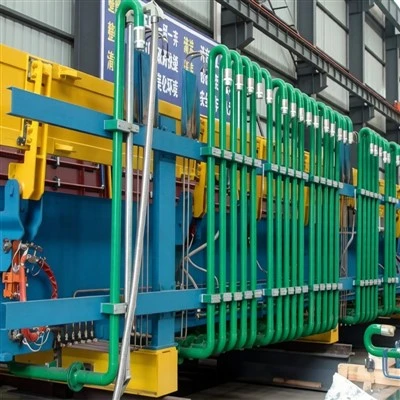
If your mill is running slower than it should, burning through parts, or struggling to meet quality or environmental standards, an upgrade is the smart move. We’ve helped hundreds of clients get more life out of their existing mills, reduce costs, and expand their capabilities without the hassle of a full line replacement. To talk through what upgrades make sense for your cold rolling operation, connect with our team to discuss your needs and get a personalized assessment.
Petrochemical Equipment References:
- ASM International. (2019). Cold Rolling of Steel: Principles and Practice. ASM Handbook, Volume 04: Glass and Ceramic Technology.
- Cold Rolling Equipment Manufacturers Association. (2022). Global Trends in Cold Mill Upgrade Technologies. CEMA Annual Technical Report.
- The Fabricator’s Guide to Industrial Upgrades. (2021). McKinsey & Company: Industrial Operations Series.
Jiangsu Dongfang Whole-Set Equipment Manufacturing Group Co., Ltd.
We are one of the most professional cold rolling equipment manufacturers and suppliers in China, also support customized service. With abundant experience, we warmly welcome you to buy durable cold rolling equipment from our factory. If you have any enquiry about pricelist, please feel free to email us.
Address: No. 9, Industrial Park, Xinqiao Town, Jingjiang City, Jiangsu Province
E-mail: dfctwm@163.com
WebSite: https://www.dongfangequip.com/
