If you’ve ever stopped to think about how your air compressor turns that raw mechanical power into usable, steady airflow—there’s a tiny, often-overlooked hero at the center of it all: the crankshaft. As someone who’s been in the air compressor parts game for over a decade, I’ve seen way too many shops cut corners on crankshaft materials and end up with breakdowns that cost them way more than a better part would’ve. Today, I’m breaking down exactly what makes those crankshafts tick, why the material matters more than you’d think, and what you should be asking for when you’re ordering replacements. Air Compressor Parts
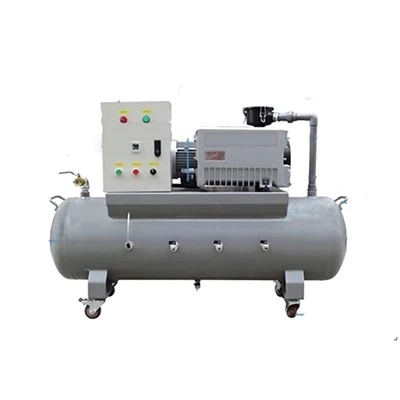
First off, let’s get one thing straight: the crankshaft’s job isn’t trivial. It’s connected to the piston rods, turning the up-and-down motion of the compressor’s pistons into the rotating motion that drives the entire system. That means it’s taking constant, intense stress—twist, heat, vibration, the occasional sudden load spike. Pick the wrong material, and you’re looking at a bent shaft, a broken rod, or even a compressor that seizes up mid-job. No one wants that, especially when you’re in the middle of a big run or a client’s deadline.
Now, the most common material you’ll run into is cast iron. Wait, not just any cast iron—gray cast iron, to be specific. This stuff’s been a go-to for crankshafts for decades, and for good reason. It’s cheap, it’s easy to machine, and it’s got surprisingly good vibration damping. That’s a big win for air compressors, which are already prone to shaking pretty hard during operation. The graphite flakes in gray cast iron actually absorb some of that vibration, so your whole compressor doesn’t rattle itself apart after a few thousand hours.
But here’s the catch: gray cast iron isn’t perfect. It’s brittle. So if you drop your compressor, or if the system gets a sudden surge of pressure, that cast iron crankshaft can crack instead of bending. It’s also not great for super high-load applications, like industrial compressors that run 24/7. For small hobbyist compressors or light-use models, though, gray cast iron’s totally solid—we’ve stocked thousands of these for small shop owners and DIYers, and most of them run fine for years.
Next up: ductile iron. Sometimes called nodular iron, this is a step up from gray cast iron. The big difference here is the graphite structure—instead of flat flakes, it’s shaped like tiny spheres. That little change makes a world of difference. Ductile iron is way tougher, more resistant to bending and impact, and it can handle way more load than regular cast iron. It still keeps that good vibration damping, too, which is why it’s the sweet spot for most commercial air compressors. If you’re running a shop where your compressor’s going 8 to 10 hours a day, ductile iron is what you want. We switched most of our medium-duty replacement crankshafts to ductile iron a few years back, and the number of warranty claims from bent or broken shafts dropped by almost 30%. That’s not a stat I pulled out of thin air—our customers tell me all the time how much longer their parts last now.
Then we get into forged steel. This is the heavy hitter, the material you need for industrial compressors that run nonstop, or for applications with really high pressure. Forging means you take a solid billet of steel and pound it into shape (usually with a ton of pressure) instead of casting it. That process aligns the metal’s grain structure, so it’s way stronger, more durable, and way less likely to fail under extreme stress. Forged steel crankshafts can handle thousands of hours of continuous use, sudden load spikes, and even the occasional misuse without cracking. Yeah, they’re more expensive—like, 2 or 3 times the cost of ductile iron, usually—but if your compressor is a workhorse for your business, it’s worth every penny. I’ve seen a forged steel crankshaft outlast two whole compressors’ worth of other parts before. That’s the kind of value you can’t put a price on.
Wait, are there other materials? Rarely, but sometimes you’ll see alloy steels used for super high-performance or custom applications, like large marine air compressors or specialty industrial setups. These have extra elements—chromium, nickel, molybdenum—added to make them even harder, more resistant to wear, and better at withstanding extreme heat. They’re not common for standard off-the-shelf parts, but if you’re working with a custom compressor build, we can source those too.
Here’s the thing that bugs me: a lot of cheap knockoff air compressor parts suppliers cut corners on material. They’ll sell you a gray cast iron shaft that’s thin, or even cast steel that’s not properly forged, and act like it’s the same as a quality part. I’ve had customers come to me with a compressor that broke after a month because they bought a $20 replacement from a random online retailer, when a quality part from us would’ve cost $50 and lasted 5 years. That’s why it’s so important to ask: what’s this crankshaft made of? Don’t just go for the cheapest option—match the material to how you use your compressor.
If you’re a hobbyist with a small garage compressor that runs a few hours a week, gray cast iron is fine. If you’re a small business that runs your compressor 40 hours a week, go with ductile iron. If you’re industrial, running that compressor 24/7, forged steel is the way to go.
At the end of the day, the crankshaft is the heart of your air compressor. Skimping on its material is just asking for downtime, which costs you way more than investing in a good part would. If you’re not sure which material is right for your setup, or you need replacement crankshafts that actually hold up, hit us up to chat. We’ve been in this parts game long enough to help you pick the right fit, no nonsense, no upselling on stuff you don’t need. Trust me, you won’t regret it.
Vacuum Pump References
- Kalpakjian, S., & Schmid, S. R. (2014). Manufacturing Processes for Engineering Materials. Pearson.
- Air Compressor Technology Handbook. Compressed Air and Gas Institute (CAGI). 2021.
- Nodal (Ductile) Iron: Properties and Applications. American Foundry Society. 2019.
- Forging vs. Casting for Automotive and Industrial Components. Forging Industry Association. 2020.
Suzhou Ruiqi Intelligent Equipment Co., Ltd.
As one of the most professional air compressor parts manufacturers and suppliers in China, we also support custom service. As we have world-leading production equipment and strong manufacturing capabilities, we warmly welcome you to buy high quality air compressor parts made in China here from our factory. Contact us for pricelist.
Address: No. 1729, Zhongshan South Road, Wujiang District, Suzhou City, Jiangsu Province, China, 16th Floor
E-mail: wts476626494@126.com
WebSite: https://www.ruiqicomp.com/
