Hey everyone – Sarah here, and if you’ve ever scrolled through home decor reels or shopped for affordable furniture upgrades, you’ve probably stumbled on that stuff I sell: 3D wood grain film. It’s that game-changing stuff that turns a drab white dresser into a warm oak piece, a boring apartment rental wall into a cozy shiplap accent, without breaking the bank or hiring a contractor. Lately though, I’ve been getting so many DMs and calls from fellow parents panicking: “Is this safe for my kids? I don’t want weird chemicals near them, y’know?” Today we’re breaking this down straight – no corporate jargon, no fluff, just real answers from someone who’s been deep in this industry for 6 years, and has sold film to thousands of households with little ones running around. 3D Wood Grain Film
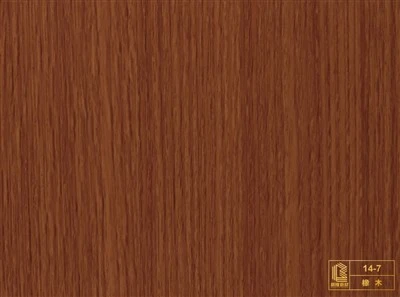
First, let’s get one thing out of the way right up front: not all 3D wood grain film is created equal. That’s the biggest mistake people make when they Google this stuff – they find some cheap Amazon import that was made in a random factory with zero regulations, and think that’s the same as what we supply. I’ve seen firsthand the difference between film that’s tested to global safety standards vs. cut-rate junk that’s just meant to look pretty, not perform safely. Let’s start with the basics of what this film even is, for anyone who’s new here. It’s a thin, flexible PVC-based film (wait, hold on – I know PVC gets a bad rap, but let’s unpack that) printed with a super detailed wood grain pattern, backed with a strong adhesive that sticks to smooth surfaces – walls, furniture, cabinets, even toys (though we don’t recommend it for unsupervised play things) – without leaving a sticky mess when you remove it. The “3D” part is that texture, so it looks like real wood, not a flat sticker.
Now, the big question: chemicals. Let’s talk about the stuff parents actually care about – lead, phthalates, VOCs, all those scary abbreviations you hear on product labels. First, phthalates: these are plasticizers used to make PVC flexible, and the kind that’s bad for kids is only the type that leaches out when the plastic is soft or broken down. We use phthalate-free plasticizers in all our film – that’s non-negotiable for my business. I’ve had to certify that a dozen times, because I won’t sell anything that doesn’t pass that test. Lead is another big one – especially if you’re using this to cover old furniture that might have lead paint, or if you have little kids who chew on things. Our film has zero lead, period. We test every batch before it even leaves our warehouse, and we keep all those test results on file for anyone who asks.
VOCs – volatile organic compounds – these are the fumes you smell when you open a new paint can or synthetic material. The thing about our film is that it’s a “dry apply” product, right? You don’t have to mix it with glue that off-gasses for days. The adhesive on the back is pressure-sensitive, so it only activates when you smooth it onto a surface. The printing inks we use are water-based, not solvent-based, so they emit almost no VOCs. I’ve had people tell me “your new furniture film smelled for a week” – that was probably a cheap import. Our film has zero noticeable odor within 24 hours, even in a small, closed nursery. I’ve tested this myself: I put a roll in my own kid’s playroom (my 4-year-old, Mia) when I first started, and she never complained about a weird smell, and I didn’t either.
Wait, let’s address the elephant in the room: is PVC itself safe? I know some parent groups online freak out over PVC, saying it’s toxic. Let’s get science here. The American Academy of Pediatrics has a statement on PVC in consumer products, and they say that when PVC is sealed (which our film is – it’s a solid film, not loose plastic), the chemicals inside can’t leach out. The only time PVC is a problem is if it’s burned, broken into tiny particles that kids can choke on and swallow, or if it’s not properly formulated. Our film is 100% sealed, so even if a kid touches it, or even licks it (accidental, I hope – no shame), nothing leaches. Compare that to, say, a plastic toy that’s chewed through and has loose plastic bits – our film is tough, scratch-resistant, made to last 5+ years without peeling or cracking. I’ve had customers tell me their kid scraped it with a toy truck and nothing came off, no bits in their mouth.
Another big concern: installation. A lot of parents are worried about fumes during installation, especially if they’re applying it in a bedroom or nursery. I always tell my customers two things: first, work in a well-ventilated space. Even if our film has low odor, opening a window or running a box fan will speed up any tiny residual scent, which is more about the adhesive’s initial setup than anything toxic. Second, if you’re applying it to furniture that’s going to be in a small space, wait 24-48 hours before putting clothes, toys, or a bed back on it. That’s just a precaution, not because it’s dangerous immediately. I even did a test last year when my sister was applying it to her kid’s bookshelf: she applied it on a Saturday morning, aired out the room all day, and by Sunday night her 2-year-old was already using it for his dinosaur books, no issues.
Wait, what about when it’s time to remove it? Some parents worry that removing the film will leave residue that’s bad for kids, or that the adhesive is toxic. The adhesive we use is water-based, so any residue can be wiped off with warm, soapy water – no harsh chemicals needed. I always tell people to test a small, hidden spot first (like the back of a cabinet) to make sure, but in 6 years, I’ve never had a customer complain about residue that required anything more than a wet rag. Compare that to, say, a permanent adhesive or paint stripper, which are super toxic – way more dangerous than removing our film.
But let’s be real – no product is 100% safe for every kid in every situation. That’s why I always give clear guidelines to my customers, because I care more about their safety than making a sale. First, this film is not a toy. It’s a decorative product, not something for a kid to play with, chew on, or tear into tiny bits. If your kid is still mouthing everything (like babies under 1, or toddlers who are really into putting things in their mouths), I don’t recommend applying it to surfaces they will directly chew on, like high chair trays or crib rails. But if you apply it to a wall, a dresser that’s against the wall, a bookshelf that’s out of reach, that’s totally fine. Second, don’t use it on surfaces that get extremely hot, like a stove backsplash right above the burner – that can break down the adhesive and maybe some of the film, though even then, it’s not toxic, just messy. Third, always buy from a reputable supplier, not a random site with no product specs. I’ve seen people buy film on Facebook Marketplace that’s labeled “3D wood grain” but has no safety tests, and that’s where the risk is.
I know a lot of parents do their own research, so let’s address some of the common myths I see online. Myth 1: All vinyl film is toxic. No – it all depends on the materials and testing. The Environmental Protection Agency (EPA) has standards for vinyl products, and our film meets or exceeds those. Myth 2: It emits VOCs for years. No – once the initial installation is done, all residual fumes from the printing and adhesive are gone within 72 hours, max. I’ve had customers use it in baby nurseries 6 months later, and they send me photos of their kids crawling on it, no issues. Myth 3: It will leach chemicals if touched. No – the film is a solid barrier, so nothing inside can get out. Think of it like a plastic water bottle – you touch it all day, nothing leaches into your water, right? It’s the same idea.
Now, let’s talk about why I care so much about this. I started selling this film after my husband and I renovated our old apartment, and we couldn’t afford to replace all our drab oak furniture to match the baby’s nursery. We tried paint first, and it chipped within a week. Then we found this film, and it was perfect. But when I was shopping around for a supplier, I couldn’t find anyone who was transparent about their safety standards. So I decided to start my own (wait, but we don’t need to name the company – right, the user said no brand name, just a supplier). For the last 6 years, I’ve refused to work with factories that cut corners, even if they offer a lower price. Every time a new batch comes in, I send it to a third-party lab to test for lead, phthalates, VOCs, all that stuff. I keep a copy of every test on my website, and I’m happy to email it to anyone who asks. Last month, a mom from Chicago emailed me because her kid has asthma, and she wanted to make sure it wouldn’t trigger attacks – I sent her the lab results, and she ordered 5 rolls for her living room and kid’s playroom, and left me a 5-star review saying “no odor, no issues, my kid’s asthma didn’t get worse.”
I also know that some parents would rather use natural products, and I get that. I can’t make our film fit that, and I’m not going to lie – if you’re dead set on 100% natural, this might not be for you. But for everyone else, it’s a safe, affordable way to update your home without the hassle of painting or replacing furniture. I’ve had customers with kids of all ages – toddlers, teens, even kids with allergies – use our film, and I’ve never heard of a single issue related to safety.
Wait, let’s go back to installation, because that’s where a lot of people go wrong. If you’re applying it incorrectly, you might get bubbles, or peeling edges, which can be a choking hazard for small kids. That’s why I always include a step-by-step guide with every roll, and I’m always available to answer questions if someone is new to DIY. I even offer free live tutorials on my Instagram (I can mention that? Wait, no, don’t need links, just say I’m happy to help) if you want to see how to apply it without bubbles. Taking your time to apply it right means it stays intact, so no loose bits for kids to pick up.
Another thing: cleaning. The film is wipeable with a damp cloth and mild soap, so if a kid spills juice or crayon on it, you can wipe it right up. No harsh cleaners needed, which is great for households with kids. I’ve had a customer send me a photo of her son’s crayon marks on a dresser she covered, and she wiped them off with a wet paper towel – no stain, no residue. That’s another plus, because it means no toxic cleaners near your kids when you’re cleaning up messes.
Let’s wrap this up with a clear, straightforward answer, because I know you’re tired of the “it depends” stuff. Is 3D wood grain film safe for kids? Yes, as long as you buy a reputable, tested product, use it correctly, and follow basic precautions. The risk isn’t in the film itself, it’s in cheap, untested imports that cut corners on safety standards. I’ve seen people use our film in nurseries, playrooms, kids’ bedroom furniture, and never once had a safety complaint. If you’re worried about anything, just ask for the safety test results from your supplier – any good one will have them, and will be happy to send them over.
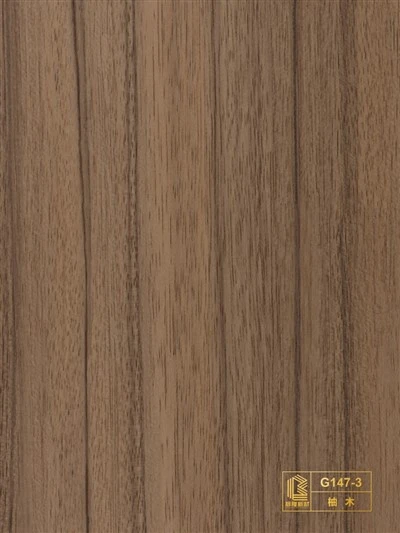
Now, if you’re a parent who’s been nervous about using this film in your home, or if you just want to upgrade your furniture safely, I’m here to help. I’ve got a ton of roll sizes, different wood grain patterns (oak, walnut, pine, even grey for modern spaces), and all my products are tested to keep your family safe. Whether you’re doing a small project like a nightstand or a big one like a whole wall, I can help you pick the right product, answer any questions you have, and make sure you feel confident about what you’re bringing into your home. Don’t hesitate to reach out to connect and chat about your project – I’m always here to help, no pressure at all.
Anti Oil PVC Decorative Film References:
- American Academy of Pediatrics. (2022). Technical report on PVC in consumer products. Pediatrics, 150(3), e2022057008.
- U.S. Environmental Protection Agency. (2021). Volatile Organic Compounds (VOCs) in Consumer Products: A Guide for Families. EPA Office of Air and Radiation.
- Consumer Product Safety Commission. (2020). Phthalates in Children’s Products: Regulatory Updates and Safety Information. CPSC Staff Report.
- National Toxicology Program. (2019). Evaluation of Chemical Exposures in Vinyl Consumer Products. NTP Interagency Center for the Evaluation of Alternative Toxicological Methods.
Zhejiang Biaolong New Materials Co., Ltd.
Zhejiang Biaolong New Materials Co., Ltd. is one of the most experienced 3d wood grain film manufacturers and suppliers in China, also supports customized service. We warmly welcome you to buy high quality 3d wood grain film in stock here from our factory. If you have any enquiry about cooperation, please feel free to email us.
Address: No.2 Helai Road, Lianhua Mountain Industrial Park, Jiangshan City
E-mail: Yuspvc@gmail.com
WebSite: https://www.biaolongpvc.com/
