Can a Bus Cable be used for Audio and Video Transmission?
As a supplier of bus cables, I often encounter inquiries about the potential uses of our products, especially regarding audio and video transmission. This topic is not only relevant in the current technological landscape but also crucial for businesses and individuals looking for cost – effective and efficient solutions for their media needs. In this blog post, I will delve into the technical aspects of bus cables and explore whether they can be used for audio and video transmission. Bus Cable

Understanding Bus Cables
Bus cables are a type of cable that is designed to connect multiple devices in a network. They are commonly used in various industries, such as automotive, industrial automation, and computer networking. The primary function of a bus cable is to transmit data between different components in a system. There are different types of bus cables, including serial bus cables and parallel bus cables, each with its own characteristics and applications.
Serial bus cables transmit data one bit at a time over a single wire or pair of wires. They are known for their simplicity and reliability, making them suitable for applications where long – distance data transmission is required. Examples of serial bus cables include USB (Universal Serial Bus) and RS – 232 cables. Parallel bus cables, on the other hand, transmit multiple bits of data simultaneously over multiple wires. They are typically used for high – speed data transfer within a shorter distance, such as between a computer’s motherboard and its peripheral devices.
Technical Requirements for Audio and Video Transmission
Audio and video transmission require a certain level of bandwidth, signal quality, and reliability. Bandwidth is the amount of data that can be transmitted over a cable in a given period of time. High – definition audio and video content, especially in formats like 4K and 8K, require a large amount of bandwidth to ensure smooth playback. Signal quality is also crucial, as any interference or distortion can degrade the audio and video quality. Additionally, reliability is important to prevent data loss or interruptions during transmission.
For audio transmission, the cable needs to be able to carry the analog or digital audio signals without introducing noise or distortion. Digital audio signals, such as those used in HDMI (High – Definition Multimedia Interface) and optical audio cables, require precise timing and synchronization to ensure accurate sound reproduction. Analog audio signals, on the other hand, are more susceptible to interference and require proper shielding to maintain signal integrity.
Video transmission, especially for high – definition content, demands even higher bandwidth and signal quality. The cable must be able to support the high data rates required to transmit the large amount of visual information. For example, a 4K video at 60 frames per second can require a bandwidth of up to 18 Gbps. In addition, the cable needs to be able to maintain the correct color depth, resolution, and refresh rate to provide a clear and sharp image.
Can Bus Cables Be Used for Audio and Video Transmission?
The answer to whether bus cables can be used for audio and video transmission is not a simple yes or no. It depends on several factors, including the type of bus cable, its specifications, and the requirements of the audio and video system.
Some types of bus cables can be adapted for audio and video transmission. For example, USB cables, which are a type of serial bus cable, can be used to transmit audio and video signals in certain applications. USB 3.0 and later versions offer high – speed data transfer rates that can support the transmission of audio and video content. There are USB – based audio interfaces and video capture devices that use USB cables to connect to a computer or other devices. These devices convert the audio and video signals into a format that can be transmitted over the USB cable and then back into the original format at the receiving end.
Another example is Thunderbolt cables, which are a high – speed serial bus technology. Thunderbolt cables can support the transmission of both audio and video signals, as well as data. They offer very high bandwidth, up to 40 Gbps in Thunderbolt 3 and 80 Gbps in Thunderbolt 4, making them suitable for high – definition video and audio applications. Thunderbolt cables are commonly used to connect external displays, audio interfaces, and other multimedia devices to computers.
However, not all bus cables are suitable for audio and video transmission. Some older or lower – speed bus cables may not have the necessary bandwidth to support high – definition audio and video content. For example, RS – 232 cables, which are a type of serial bus cable used for serial communication, have relatively low data transfer rates and are not designed for audio and video transmission. Similarly, some parallel bus cables may not be suitable for long – distance audio and video transmission due to signal degradation and interference.
Advantages and Disadvantages of Using Bus Cables for Audio and Video Transmission
If a bus cable is suitable for audio and video transmission, there are several advantages to using it. One of the main advantages is cost – effectiveness. Bus cables are often more affordable than specialized audio and video cables, such as HDMI or optical audio cables. This can be a significant advantage for businesses and individuals on a budget.
Another advantage is versatility. Bus cables are widely used in various industries, and many devices already have bus cable interfaces. This means that it may be easier to connect audio and video devices using bus cables without the need for additional adapters or converters. For example, a USB audio interface can be easily connected to a computer using a standard USB cable, which is already a common connection on most computers.
However, there are also some disadvantages to using bus cables for audio and video transmission. One of the main disadvantages is the potential for signal interference. Bus cables are designed for data transmission in a network environment, and they may be more susceptible to electromagnetic interference (EMI) and radio – frequency interference (RFI). This can result in degraded audio and video quality, such as noise, distortion, or pixelation.
In addition, the compatibility of bus cables with audio and video devices may be limited. Some devices may require specific types of cables or interfaces to ensure proper audio and video transmission. For example, a high – end audio system may require a specialized audio cable to achieve the best sound quality, and a bus cable may not be able to meet these requirements.
Conclusion
In conclusion, while some bus cables can be used for audio and video transmission, it is important to carefully consider the type of bus cable, its specifications, and the requirements of the audio and video system. Bus cables offer cost – effectiveness and versatility, but they may also have limitations in terms of signal quality and compatibility.
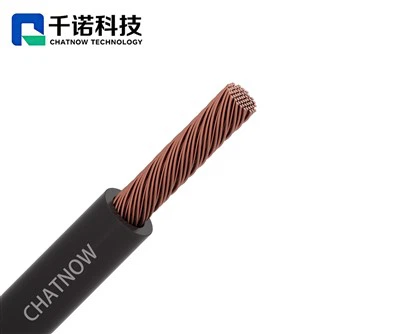
If you are considering using bus cables for audio and video transmission, it is recommended to consult with a professional or conduct thorough testing to ensure that the cables can meet your needs. As a bus cable supplier, we have a wide range of products that can be used in various applications, including audio and video transmission. Our team of experts can provide you with detailed information and technical support to help you make the right choice.
Canbus Cable If you are interested in purchasing bus cables for your audio and video projects or have any questions about our products, please feel free to contact us for a consultation. We are committed to providing high – quality products and excellent customer service to meet your specific requirements.
References
- "Data Communication and Networking" by Behrouz A. Forouzan
- "High – Definition Multimedia Interface (HDMI) Specification" by HDMI Licensing, LLC
- "USB Implementers Forum (USB – IF) Specifications" by USB Implementers Forum
Zhejiang Chatnow New Material Technology Co., Ltd.
Zhejiang Chatnow New Material Technology Co., Ltd. is well-known as one of the leading bus cable manufacturers and suppliers in China, specialized in providing high quality customized service. Please feel free to wholesale high-grade bus cable at competitive price from our factory.
Address: Building 12, No.9 Huajin Road, ZhouWangMiao Town Innovation Center, Haining, Zhejiang 314400
E-mail: info@chatnow-cable.com
WebSite: https://www.chatnow-cable.com/
