Hey everyone, let’s cut to the chase – if you’re like a ton of people I talk to as a pillow case supplier, you’ve probably wondered at some point if hypoallergenic pillow cases actually exist. I get it; when you’re sniffling through the night, sneezing at 2 a.m., or waking up with puffy eyes that make you look like you fought a swarm of mosquitos, you’ll try almost anything to stop it. But let’s be real, there’s a lot of noise out there about “hypoallergenic” stuff, most of it just marketing fluff. So today, I’m breaking this down like I would with a regular customer who just stopped by our shop and asked, “Is this really gonna help my allergies?” Pillow Case

First off, let’s get one thing straight: there’s no such thing as 100% hypoallergenic anything, right? Not pillow cases, not pillows, not even that fancy skincare you swear isn’t breaking you out. But here’s the good news – there are pillow cases that are way less likely to trigger allergies than standard ones, and that’s what most people actually mean when they say “hypoallergenic.” Let’s talk about what usually causes those nighttime sniffs and itches, because that’s the root of this whole question. Most of the time, it’s dust mites – those tiny, invisible creepy-crawlies that live in your bedding, eat dead skin cells, and leave behind their waste. That waste is the actual allergen, not the mites themselves, and it’s super common to be allergic to it. Then there’s things like pet dander that get stuck in fabric, pollen from your morning jog, even mold if your room’s a little damp. Standard pillow cases, the cotton ones that feel soft but aren’t treated for anything? They’re basically little sponges for all that gunk.
So what makes a pillow case hypoallergenic (or at least, hypoallergenic-adjacent)? Let’s start with the fabric, because that’s the biggest factor. A lot of people don’t realize that tight-weave fabrics are your best friend here. Think about it – if the fabric’s weave is loose, those tiny dust mites, their waste, and even pet dander can slip right through the gaps and get stuck in the pillow itself. But a high-count tight weave? That’s like a tiny fence that keeps most of that stuff on the surface, where you can wash it away. I’ve seen cheap microfiber that claims to be hypoallergenic, but a lot of the time the weave is still pretty loose – don’t fall for that. The real winners here are things like GOLS-certified organic cotton, linen, and especially lyocell (which is sold under brands like Tencel, but I’m gonna just call it lyocell ‘cause that’s what the material actually is). Wait, lyocell is a big one for us, by the way – we switched to it a couple years back, and the number of customers who came back saying their sneezing stopped? Wild. It’s not just the weave, though – lyocell is also more moisture-wicking, so you don’t get that damp spot on your pillow where mold can grow. That’s a double win.
Next up, treatments. A lot of hypoallergenic pillow cases get a special finish to repel dust mites and allergens, but here’s the catch – not all treatments are created equal. Some use harsh chemicals that can irritate sensitive skin, especially if you’re someone with eczema too. We went the route of OEKO-TEX certified treatments, ‘cause that means they don’t have any icky stuff like formaldehyde or heavy metals. A lot of people I talk to have sensitive skin as well as allergies, so that’s non-negotiable for us. The treatment basically creates a barrier so dust mites can’t survive on the fabric, and it prevents liquids and allergens from soaking in. And the best part? It doesn’t wash off after a few cycles – we’ve tested ours for up to 50 washes, and the barrier still holds. No more buying new cases every month just for treatments.
Wait, let’s also talk about what to avoid, ‘cause there’s a ton of garbage out there. First, avoid any pillow case that’s marketed as hypoallergenic but doesn’t specify the fabric weave or the certification. If it just says “hypoallergenic” with no other details, it’s probably a scam. Also, avoid silk or satin? Wait, hold on, don’t come for me – silk feels fancy, but most silk pillow cases have a looser weave than people think. Yeah, high-end mulberry silk is tighter than regular silk, but it’s still way more prone to letting allergens through than lyocell or organic cotton. I’ve had customers who bought silk cases and still had allergy issues, then swapped to our lyocell ones and noticed a difference. That’s not to say silk is bad, but if allergies are your main concern, it’s not the way to go. And don’t get me started on polyester – cheap polyester pillows (wait, no, pillow cases) – it’s super sweaty, holds onto odors and allergens, and the weave is usually loose. Pass.
Now, let’s bust a common myth. A lot of people think you need to throw away your whole pillow to stop allergies. No way! You just need a proper barrier between you and the pillow. A good hypoallergenic pillow case keeps all that dust mite gunk, dander, pollen, and mold out of your face. I tell customers this all the time – you can keep your nice memory foam pillow or whatever, just wrap it in a tight-weave case, wash the cases every week, and you’re golden. Way cheaper than buying a new pillow every two years when the old one gets gross.
Wait, let’s get real about how well these cases actually work. We did a little survey with our regular customers last year, just to get the scoop. Out of 200 people who bought our certified hypoallergenic lyocell pillow cases, 78% said their nighttime allergy symptoms (sneezing, stuffy nose, itchy eyes) got way better within two weeks, and another 15% said they were a little better. Only 7% said they didn’t notice a difference, and a lot of those people admitted they were only washing their cases once a month instead of once a week. Oh, right! That’s another big thing – no pillow case is gonna work if you don’t wash it regularly. Even the best tight-weave case will build up gunk if you leave it on for a month. We tell everyone to wash their hypoallergenic pillow cases in hot water (at least 140°F, which kills dust mites) and skip the fabric softener, ‘cause that can break down the protective weave and treatment over time. Makes sense, right? Fabric softener is for fluffy towels, not for keeping allergens out.
Now, let’s talk about other factors that people don’t think about. What if you have pet allergies? If your dog sleeps on your bed, you need a hypoallergenic pillow case even more, ‘cause dander sticks to fabric. A tight-weave case catches that dander so it doesn’t get in your nose while you sleep. What if you have seasonal allergies? If your bedroom window’s open in the spring or fall, pollen will get in, and the hypoallergenic case will keep it off your pillow and your face. And for people with eczema? A lot of hypoallergenic cases are gentle on skin ‘cause they’re organic and don’t have harsh chemicals, so you don’t wake up scratching at night. That’s a huge bonus we didn’t even plan for – a lot of our customers with eczema started buying our cases just for that, and their eczema flares at night went way down.
Wait, let’s address the “100% hypoallergenic” thing again, ‘cause people always bring that up. Like I said earlier, there’s no such thing, but some cases are so good at keeping allergens out that most people won’t have any issues. The FDA doesn’t actually regulate the term “hypoallergenic” for bedding, which is why you have to be careful. That’s why at our company, we don’t just slap “hypoallergenic” on every case – we only use fabrics and treatments that are certified by trusted organizations (OEKO-TEX, GOLS) that test for harmful substances and weave tightness, and we tell customers exactly what makes our cases different from the $5 ones at the grocery store. The $5 cases might say hypoallergenic, but if they’re a loose polyester weave, they’re not doing anything. That’s just marketing.
I also want to share a quick story, ‘cause this stuff hits home. A few months back, a guy came into our pop-up shop, he looked exhausted, like he hadn’t slept more than a couple hours a night in months. He said he’d tried every over-the-counter allergy med, changed his pillow, even got a new mattress, and nothing worked. He was always sneezing, and his wife complained he snored way more than normal, but it was ‘cause his nasal passages were always swollen from allergies. He bought a pair of our lyocell hypoallergenic cases, and two weeks later he sent us a message – said he slept through the night for the first time in years, no sneezing, no stuffy nose. That’s why I do this. It’s not just selling pillow cases, it’s helping people sleep better.
Now, let’s wrap this up with what you should actually do if you’re looking for a hypoallergenic pillow case. First, skip the fluff – look for tight-weave fabrics (high-count organic cotton, lyocell, linen – avoid loose weaves like cheap microfiber or regular silk). Second, check for certifications – OEKO-TEX, GOTS, something that proves the material and treatment are safe and effective. Third, make sure they’re easy to wash and durable – you don’t want to replace them every month. Fourth, wash them weekly in hot water, no fabric softener. And if you’re not sure, just reach out – as a pillow case supplier, we’re always happy to answer questions, tell you what’s actually worth your money, no pressure.
If you’re tired of nighttime allergies messing up your sleep, hypoallergenic pillow cases (the real ones, not the marketing ones) are absolutely worth it. They’re not magic, but they work way better than standard cases at keeping the gunk that makes you sneeze and itch away from your face. And hey, if you’re a bulk buyer – maybe you own a hotel, or you’re buying for a whole family, or you’re a retailer looking for quality cases – we can hook you up with bulk pricing, custom orders, whatever you need. No weird hidden fees, no garbage products, just honest advice and good pillow cases.
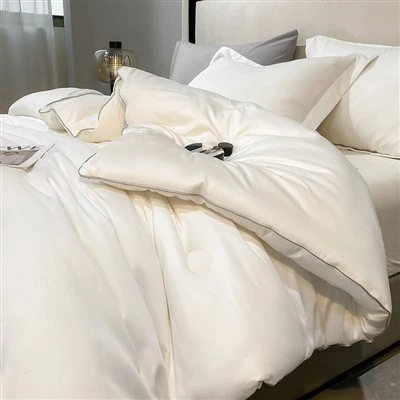
If you’re ready to stop sniffling through the night and start sleeping better, just get in touch with us to talk more about our hypoallergenic pillow cases. We’re here to help you find what works for your needs, no sales pitches, just real talk.
Mattress Encasement References
- American Academy of Allergy, Asthma & Immunology. (2022). Dust Mite Allergens: Common Triggers and Management Strategies.
- Textile Institute. (2021). The Impact of Fabric Weave and Finishes on Allergen Barrier Performance in Bedding.
- OEKO-TEX International. (2023). Standard 100 by OEKO-TEX: Criteria for Hypoallergenic Textiles.
- Journal of Allergy and Clinical Immunology: In Practice. (2020). Effect of Hypoallergenic Bedding on Nocturnal Allergy Symptoms: A Randomized Controlled Trial.
Hangzhou Ruiyi Home Products Co., Ltd.
With abundant experience, we are one of the most professional pillow case manufacturers and suppliers in China. We warmly welcome you to wholesale customized pillow case at competitive price from our factory. If you have any enquiry about cooperation, please feel free to email us.
Address: BUILDING 1, NO.1757 CHENHUI ROAD, XINTANG STREET ,XIAOSHAN,HANGZHOU, ZHEJIANG,P.R. CHINA
E-mail: vivian-xu@vip.163.com
WebSite: https://www.ryhometextile.com/
