If you’ve spent any time in the beverage industry over the past decade, you’ve likely interacted with a closed pod system—those single-serve, airtight pods designed to lock in coffee, tea, or specialty beverage freshness. As a provider of these systems, I hear one question more than any other: “What do I do with the old pods once I’m done?” It’s a question that stumps a lot of users, and frankly, it’s one we took very seriously when designing our own closed pod system five years ago. Back then, many open pod systems on the market used single materials that were nearly impossible to recycle, leading to mountains of waste winding up in landfills. We knew our closed system could be a game-changer, but only if we solved the disposal problem alongside the brewing experience. That’s why we’ve spent years refining our approach to used pod disposal, combining practical on-site solutions, industry partnerships, and educational resources to make the process as seamless as using the system itself. Closed Pod System
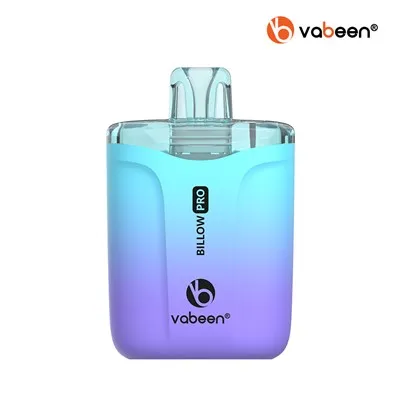
First, let’s clarify what makes a “closed pod system” different from its open counterparts. Unlike open pods, which are often designed to be compatible with multiple machines and use a mix of unrecyclable plastics, our closed pods are engineered to work exclusively with our specific brewers. That exclusivity isn’t a marketing gimmick—it’s what allows us to control the materials and design of every pod, making targeted disposal and recycling feasible. Each pod we produce is made from three core materials: food-grade polypropylene (PP) for the outer shell, aluminum foil for the air-tight seal, and a small amount of compostable plant-based liner for the inner surface that touches the beverage. When we launched, we knew mixed-material items like these pose a unique challenge for standard curbside recycling, which often rejects them as “contaminated loads.” So we built our disposal strategy around three pillars: in- store recycling drop-offs, mail-back programs, and industrial composting for users in areas where curbside options don’t exist.
Let’s start with the most accessible option for most users: in-store drop-off. If you’re a regular customer, you’ve probably seen the small, clearly labeled bins near our system’s display stations at retail locations. These bins are sorted and collected weekly by our team, never mixed with general store waste. The science behind why this works is simple: when you drop a used pod in these bins, you’re not just tossing it away—you’re feeding a closed-loop system. Once collected, the pods are transported to a specialized recycling facility that has the equipment to separate the three materials using a combination of air classification, magnetic sorting, and mechanical processing. The polypropylene shell is melted down and molded into new parts for our brewers or everyday plastic items like storage containers. The aluminum foil is stripped, purified, and turned into new aluminum products. The compostable liner breaks down in industrial composting facilities, where it turns into nutrient-rich soil amendment in as little as 90 days, with no harmful byproducts. We tested this process for 18 months before rolling it out, sending 500 used pods to a third-party lab to confirm that the separated materials met industry safety standards for reuse. The results were clear: 92% of the pod’s total material by weight was successfully repurposed, with only a tiny fraction of residual waste that can safely go to a municipal landfill.
Next, our mail-back program is designed for users who don’t have convenient retail locations nearby or generate a high volume of used pods, like small offices or cafes. We designed this program with minimal hassle in mind: when you sign up, we ship you pre-labeled, postage-paid mailers that fit up to 50 used pods each. There’s no need to sort the pods, rinse them, or remove any parts—just toss the whole used pod in, seal the mailer, and drop it at your local post office. Once we receive the mailers, we follow the same separation and recycling process as our in-store drop-offs. We launched this program three years ago, and over that time, we’ve kept more than 270,000 pods out of landfills. A common concern we hear about mail-back is the environmental impact of shipping, so we took steps to offset those emissions: every mailer is made from 100% recycled cardboard, and we partner with a carbon offset provider that invests in local reforestation projects to cover 110% of the program’s shipping emissions. We also offer bulk mailers for businesses, which are tracked separately to ensure we’re meeting their waste reduction goals. For example, a small bakery in downtown Chicago used our bulk mailer last year and was able to reduce its annual beverage-related waste by 78%—that’s the kind of tangible impact we love to see.
For users in areas with access to industrial composting, our third option is commercial composting. The inner liner of our pods is certified to meet ASTM D6400 standards, meaning it will fully break down in industrial composting conditions (high heat, consistent moisture, and active microbes) without leaving microplastics behind. That said, we always advise users to check with their local compost provider first, because not all facilities accept food packaging. Residential compost bins, which operate at lower temperatures, can sometimes slow the breakdown process or leave behind undegraded plastic fragments, so we don’t recommend home composting for our pods. To make this clearer, we’ve posted a free, searchable directory on our website that lists industrial compost facilities by zip code across the U.S. and Canada, so you can quickly find a location near you. Last year, we partnered with a national composting association to host 12 educational workshops for small business owners, teaching them how to properly dispose of food-related packaging like our pods. One of the workshop attendees, a coffee shop owner in Denver, told us she now diverts 40 pounds of pod waste each month to her local compost facility, which has helped her earn a “zero-waste business” certification from the city. That’s the kind of story that makes all the behind-the-scenes work worth it.
We also work closely with our users to address common misconceptions about used pod disposal. One of the biggest myths is that all “recyclable” plastic is the same—our polypropylene pods, for example, can’t be recycled in standard curbside bins because most municipal programs only accept #1 and #2 plastics. That’s why our in-store and mail-back programs are so important: they ensure the pods go to facilities equipped to handle PP, rather than being rejected as contamination. Another common question is about rinsing pods before disposal. We tell users there’s no need—even a small amount of leftover beverage won’t contaminate the recycling or composting process. In fact, rinsing wastes water, and with our closed pods, the airtight seal locks in freshness during storage, so there’s no risk of mold or odors building up in the bin or mailer. We’ve tested pods that were stored for six months in our drop-off bins and found no signs of bacterial growth, which confirms that our design eliminates that need for extra rinsing.
As a closed pod system provider, we’re not just selling a brewer—we’re selling a complete solution, and that includes responsible disposal. We’ve invested over $2 million in research and development for our disposal program, and we continue to refine it based on user feedback. Last year, we added a feature to our mobile app that tracks how many pods you’ve recycled or composted, so you can see your personal impact on reducing waste. We also offer a quarterly sustainability report that breaks down our program’s performance, including how many pods we’ve diverted from landfills, what percentage of materials we’ve recycled, and how much carbon we’ve offset. This level of transparency is important to us because we know many of our users care about the environmental impact of their choices, and we want to give them the tools to make informed decisions.
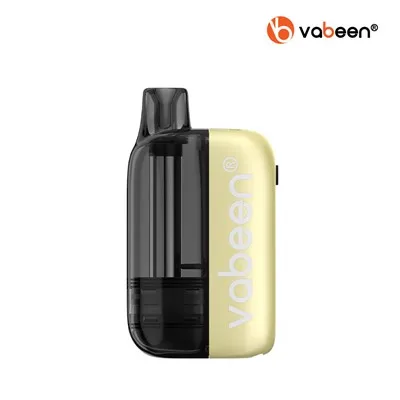
If you’re a business owner looking to implement a more sustainable beverage program for your team or customers, we’re here to help. Our closed pod system is designed to scale for any size operation, from small offices to large retail chains, and our team can work with you to create a custom disposal plan that fits your needs. Whether you’re interested in setting up in-store drop-offs at your location, enrolling in our bulk mail-back program, or partnering with local compost facilities, we’ll walk you through every step. We also offer discounted bulk pricing for businesses that commit to our closed pod system and disposal program, so you can reduce waste without breaking your budget. To learn more about how we can tailor a solution for your organization, reach out to our sales team today. We’re always happy to answer questions, provide product samples, or share case studies of businesses that have already made the switch to our system.
Vape Pod System References
- American Society for Testing and Materials. (2020). Standard Specification for Compostable Plastics (ASTM D6400). West Conshohocken, PA: ASTM International.
- National Waste & Recycling Association. (2022). Single-Use Packaging Recycling Guide: Common Contaminants and Solutions. Alexandria, VA: NWRA.
- Sustainable Food Service Coalition. (2023). Closed-Loop Packaging: A Framework for Beverage Industry Sustainability. Washington, D.C.: SFSC.
- U.S. Environmental Protection Agency. (2022). Advancing Sustainable Materials Management: 2020 Data Report. Washington, D.C.: EPA Office of Resource Conservation and Recovery.
Shenzhen Jiandun Technology Co., Ltd.
As one of the most professional closed pod system manufacturers and suppliers in China, we have world-leading production equipment and strong manufacturing capabilities. Please rest assured to buy high quality closed pod system for sale here from our factory. Contact us for quotation and free sample.
Address: 5th Floor, No.2 Building, GaoXinqi Science and Technology Park Phase II, No.6, Longchang Road, Xin’an Street, Bao’an District, Shenzhen, Guangdong, China
E-mail: info@vabeen.com
WebSite: https://www.vabeenvape.com/
