If you’ve ever worked with metal fasteners—whether you’re a construction foreman assembling a steel bridge, a auto mechanic fixing a rusted truck frame, or a hobbyist building a custom outdoor bench—you know the gut punch of finding a perfectly aligned rivet dotted with brown, flaky rust. As a rivet supplier who’s been in this game for over a decade, I’ve lost count of how many clients have reached out frustrated, saying, “I installed these rivets six months ago and now they’re falling apart.” The problem isn’t always a bad product, though. More often, it’s a small mistake in how the rivets were prepared, installed, or protected after installation. Rust doesn’t happen out of nowhere, and preventing it is less about guesswork and more about sticking to science I’ve learned from years of field calls, material testing, and collaborating with structural engineers. Today, I’m breaking down exactly how to keep your rivets rust-free, straight from the shop floor and lab. Rivet
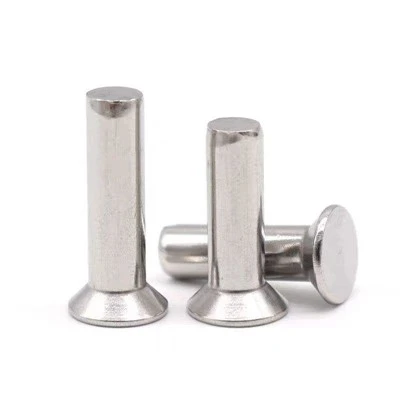
First, let’s talk about the most foundational step: choosing the right rivet material for the job, because not all rivets are made to fight corrosion. I see too many clients grab the cheapest steel rivet for an outdoor project, only to watch it rust within a year. That’s a avoidable error. Carbon steel rivets are strong, but they’re like a sponge for moisture and salt—perfect for indoor uses where they never see the elements, but a disaster for fences, deck supports, or parts near the ocean. Instead, match your rivet alloy to the environment. For general outdoor use, 304 stainless steel is the workhorse—it has 18% chromium that forms a tight, self-healing oxide layer when exposed to oxygen, which acts as a barrier against rust. For harsher conditions, like coastal areas where salt spray is constant, spring for 316 stainless steel, which adds 2-3% molybdenum that resists chloride corrosion (the same stuff that etches pool tiles and eats away at boat hulls). We also stock aluminum rivets, which are light and naturally corrosion-resistant—great for RVs or window frames, though they’re softer, so they don’t work for heavy structural loads. Don’t make the mistake of mixing metals, either. I once had a custom furniture maker call me upset because his aluminum rivets were rusting after he paired them with steel washers. Galvanic corrosion happens when two dissimilar metals touch in the presence of an electrolyte (like rainwater), creating a tiny electric current that eats away the less noble metal. If you have to use different metals, add a non-conductive barrier—like a neoprene washer or a piece of plastic tape—between them. That small step can save you months of headaches.
Next, surface preparation is non-negotiable, and this is where I’ve seen the biggest gaps. A rivet’s protective coating (whether it’s stainless steel’s natural layer or a plated finish) only works if it’s allowed to bond properly to the base material and its own surface. Too often, someone will grab a rivet, yank it out of the packaging, and hammer it straight into a rusty, dirty steel beam. That’s a recipe for disaster. Rust thrives on trapped moisture and contaminants, so cleaning both the rivet and the joint it’s going into is step one. For most projects, a quick wipe with isopropyl alcohol or a wire brush to remove loose dirt, oil, or existing rust scale works. For heavy industrial jobs or coastal work, we recommend a more thorough blast cleaning—using aluminum oxide or glass bead media to etch the surface of the rivet and the joint. This doesn’t just get rid of gunk; it creates a tiny, rough texture that helps any protective coating (like paint or sealant) grip better, and it removes any areas where the protective oxide layer of stainless steel might have been damaged during manufacturing or shipping. I always tell our clients: if you skip surface prep, no coating or treatment will stick long-term. I had a structural engineer client test this a few years ago—he installed two identical sets of rivets on a bridge, one cleaned thoroughly, the other wiped only with a rag. The un-cleaned ones started showing rust spots after 8 months; the cleaned ones still looked like new 3 years later. That’s the difference prep makes.
Then there’s the coating and plating step, which is a second line of defense for rivets that need extra protection. I know some clients hear “coating” and think “extra cost,” but when it comes to rivets, the right coating is an investment. For carbon steel rivets that you have to use (say, for a load-bearing indoor beam where stainless is overkill), hot-dip galvanizing is the gold standard. That process involves submerging rivets in molten zinc, which forms a thick, durable layer that acts as a sacrificial barrier—if the zinc gets scratched, it corroded instead of the steel underneath. We test all our galvanized rivets for thickness, too; a good coating is at least 85 microns thick (about the width of a human hair) to hold up against scraping and moisture. For smaller, precision rivets used in electronics or appliances, zinc plating or tin plating works well, but make sure the plating is done correctly—cheap plating can be porous, which lets moisture seep in and cause rust from the inside. For projects that get constant wear, like trailer hitches or farm equipment, we also offer powder-coated rivets. Powder coating is thicker than liquid paint, more scratch-resistant, and comes in any color you want. Just make sure to avoid powder coating on structural rivets that need to be torqued to exact specs— the coating can create a tiny gap between the rivet and the joint, trapping moisture, so it’s best for cosmetic or non-load-bearing parts.
Installing rivets the right way is just as important as choosing them correctly. I’ve seen clients over-hammer rivets so hard that the shank cracks, breaking the protective coating and creating tiny crevices where rust can hide. Or they under-set them, leaving a gap between the rivet head and the joint that traps water like a little bucket. The goal when setting a rivet is to get a tight, uniform fit that eliminates gaps but doesn’t damage the material. For solid rivets, use a rivet gun with the right-sized die for your rivet diameter—applying even pressure around the head instead of focusing on one spot. For blind rivets (the ones you use where you can only access one side of a joint), make sure to pull the mandrel until the rivet swells evenly, not so hard that it stretches the material. One common mistake I see with blind rivets is leaving the mandrel in place after setting it. That tiny leftover piece of metal can corrode, and if water gets into the hole where the mandrel was, it can eat away at the rivet from the inside out. Always twist the mandrel off flush with the rivet head after setting. Also, leave a little space between the rivet head and the surface if you’re working with soft materials like aluminum or plastic—too much pressure can crack the surface, leaving a spot for rust to form. I once had a client who installed blind rivets on a outdoor sign; he set them so tight that the aluminum panel around the rivets cracked within six months, and rust seeped through those cracks. Adjusting the setting pressure fixed the problem immediately.
After installation, a little maintenance goes a long way, even if you thought you did everything right. No rivet is completely immune to rust, especially if it’s exposed to salt, rain, or snow. The good news is that most minor rust spots can be fixed before they turn into big problems. Start by inspecting your rivets at least twice a year—more often if you live near the coast or in a place with harsh winters, where road salt is used. For small surface rust spots, use a fine wire brush or steel wool to remove the flaky rust, then wipe the area down with a rust converter (a chemical that turns rust into a protective primer) and touch up with matching paint or a clear sealant. Avoid leaving rust untreated, even if it’s just a tiny dot; rust expands as it forms, so that small spot can grow under the coating and cause the rivet to weaken. For structural rivets that hold heavy loads, don’t try to fix rust with a DIY patch—call a professional to replace the rivet if it shows signs of corrosion, because a rusted rivet can compromise the entire structure. We’ve had clients come to us with rusted rivets that were 10 years old; replacing them with properly selected, coated rivets and doing a quick seal around the joint extended the life of their project by another decade.
I also want to address a common myth I hear all the time: “Stainless steel rivets never rust.” That’s not true. 304 stainless steel can rust if it’s exposed to too much chloride for too long, like if you leave a stainless steel rivet on a boat deck that’s constantly splashed with salt water and never washed. The same goes for any material—rust is a chemical reaction between iron, oxygen, and water, and no metal is 100% immune to it. The key is to slow that reaction down by removing one of the three ingredients: eliminate water (via sealing or coating), block oxygen (via a barrier), or use a metal that is less reactive.

At the end of the day, preventing rivet rust is about being intentional at every step, not cutting corners. It starts with picking the right rivet for your environment, cleaning it and the joint before installation, choosing the right coating if needed, setting it properly, and doing regular check-ups. If you’re not sure which rivet is right for your project, or you have questions about coatings or installation, our team here can help—we don’t just sell rivets, we’ve been solving rust problems for our clients for years, and we’re happy to walk through your project step by step. We’ve seen what happens when you skip these steps, and we want to help you avoid the hassle of replacing rusted rivets down the line. If you’re ready to get started, don’t hesitate to reach out to our team to discuss your specific needs.
Pin Shaft References
ASM International. (2005). Corrosion: Understanding the Basics. ASM International.
GB/T 12615.1-2004. (2004). Blind rivets with pull mandrel, closed end, copper alloy, part 1: General specifications.
Jones, D. A. (1996). Principles and Prevention of Corrosion (2nd ed.). Prentice Hall.
NACE International. (2016). Corrosion Control for Fasteners and Rivets. NACE International.
Wuyuan Jieyi Automotive Electrical Appliance Co., Ltd.
As one of the most professional rivet manufacturers and suppliers in China, we’re featured by quality products and good service. Please rest assured to wholesale bulk durable rivet in stock here from our factory. We also accept customized orders.
Address: No. 7 Likeng Road, Industrial Park Wuyuan County, Shangrao City, Jiangxi Province
E-mail: wyjydqz@163.com
WebSite: https://www.wyjydq.com/
