Hey there! I’m a supplier in the industrial furnace business, and I often get asked about how to calculate the capacity of an industrial furnace. It’s a crucial question because getting the capacity right can make or break your production process. So, in this blog, I’m gonna share with you the ins and outs of calculating the capacity of an industrial furnace. Industrial Furnace
Understanding the Basics
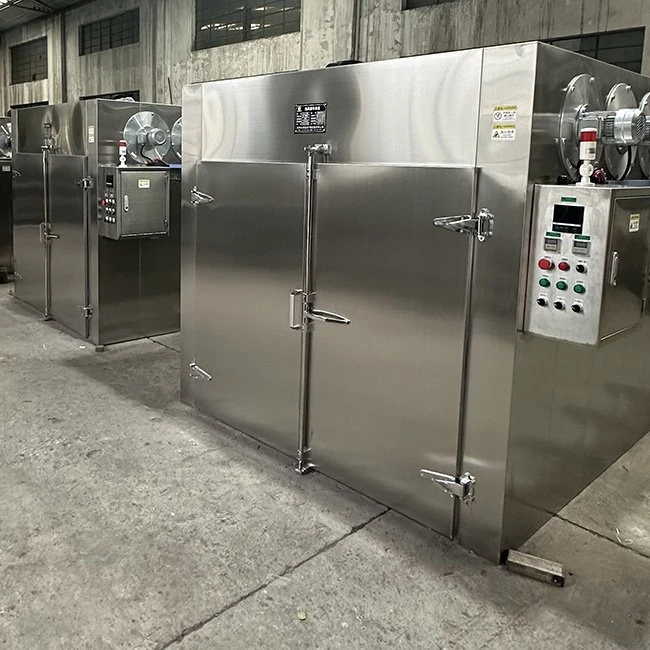
First off, let’s talk about what we mean by the "capacity" of an industrial furnace. Simply put, it’s the amount of material the furnace can handle at one time or over a specific period. There are two main types of capacity we usually look at: batch capacity and continuous capacity.
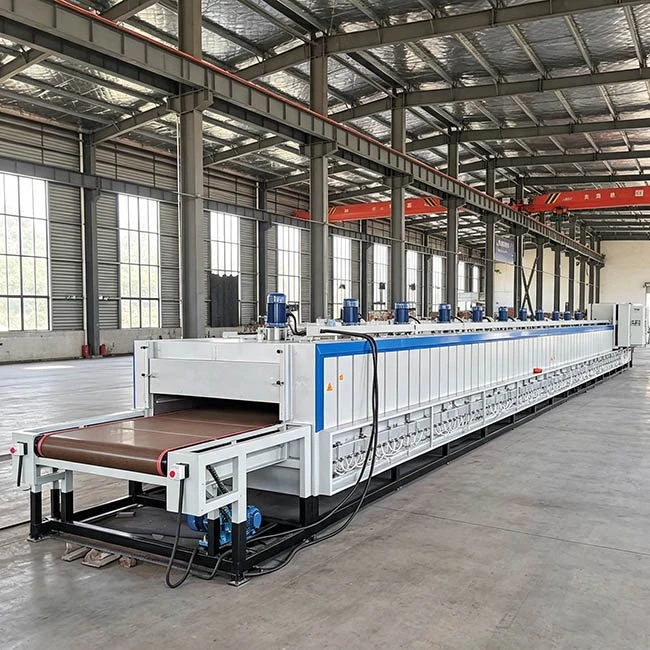
Batch capacity is all about how much stuff you can put in the furnace in one go. Think of it like loading a big pot with ingredients all at once to cook a meal. On the other hand, continuous capacity refers to the amount of material the furnace can process over a continuous period, like a conveyor belt constantly feeding material into the furnace.
Factors Affecting Furnace Capacity
There are a bunch of factors that can influence the capacity of an industrial furnace. Let’s break them down one by one.
Furnace Size
This is a no – brainer. The physical size of the furnace plays a huge role. A bigger furnace can generally hold more material. But it’s not just about the overall volume. You also need to consider the shape of the furnace chamber. For example, a long and narrow chamber might be better for some types of continuous processes, while a wider and shorter one could be more suitable for batch operations.
Heating System
The heating system is the heart of the furnace, and it has a major impact on capacity. Different heating methods, like electric heating, gas heating, or fuel – oil heating, have different heat transfer rates and maximum temperatures they can achieve. A more powerful heating system can heat up the material faster, which means you can process more material in a given time.
Material Properties
The stuff you’re putting in the furnace matters a lot too. Different materials have different heat – absorbing properties. Some materials heat up quickly, while others take a long time. If you’re dealing with a material that’s a slow heater, it’s gonna take longer to process, and that’ll affect your furnace capacity. For example, metals with high heat capacity will require more energy and time to reach the desired temperature.
Cycle Time
Cycle time is the time it takes to complete one full process in the furnace, from loading the material to unloading it. This includes the heating up phase, the time the material spends at the desired temperature, and the cooling down phase. A shorter cycle time means you can process more batches or a larger amount of material in a day, so it directly impacts your capacity.
Calculating Batch Capacity
Now, let’s get into the nitty – gritty of calculating batch capacity.
Step 1: Determine the Volume of the Furnace Chamber
First, measure the internal dimensions of the furnace chamber. If it’s a rectangular chamber, you can calculate the volume using the formula: Volume = Length x Width x Height. For a cylindrical chamber, the formula is: Volume = π x (Radius)^2 x Height.
Step 2: Consider the Packing Density of the Material
The packing density tells you how much space the material takes up when it’s packed in the furnace. Different materials have different packing densities. For example, loose powder will have a lower packing density than solid blocks. You can find the packing density of your material through experiments or by referring to industry standards.
Step 3: Calculate the Batch Capacity
Multiply the volume of the furnace chamber by the packing density of the material. This will give you an estimate of the mass or volume of the material the furnace can hold in one batch. For example, if your furnace chamber has a volume of 10 cubic meters and the packing density of your material is 500 kg per cubic meter, then the batch capacity is 10 x 500 = 5000 kg.
Calculating Continuous Capacity
Calculating continuous capacity is a bit different.
Step 1: Determine the Feed Rate
The feed rate is the amount of material that enters the furnace per unit of time. This can be measured in kilograms per hour, cubic meters per minute, etc. You can calculate the feed rate by observing the flow of material into the furnace over a certain period and dividing the total amount of material by the time.
Step 2: Consider the Residence Time
The residence time is how long the material stays in the furnace to reach the desired state. It depends on the material properties and the process requirements. For example, if you’re sintering metal powder, you need to make sure it stays in the furnace long enough to achieve proper sintering.
Step 3: Calculate the Continuous Capacity
Multiply the feed rate by the number of hours the furnace operates continuously. For example, if your feed rate is 200 kg per hour and the furnace runs for 10 hours a day, then the daily continuous capacity is 200 x 10 = 2000 kg.
Real – World Examples
Let’s look at a couple of real – world examples to make things clearer.
Example 1: Batch Furnace for Heat – Treating Steel Parts
Let’s say we have a batch furnace with a chamber volume of 8 cubic meters. The steel parts we’re heat – treating have a packing density of 700 kg per cubic meter. Using the batch capacity formula, we calculate the batch capacity as 8 x 700 = 5600 kg. This means we can load up to 5600 kg of steel parts into the furnace in one batch.
Example 2: Continuous Furnace for Glass Production
Suppose we have a continuous furnace for glass production. The feed rate of the glass raw material into the furnace is 300 kg per hour. The furnace operates 24 hours a day. Using the continuous capacity formula, we find the daily continuous capacity is 300 x 24 = 7200 kg.
Tips for Optimizing Furnace Capacity
Now that you know how to calculate furnace capacity, here are some tips to help you optimize it.
Regular Maintenance
Keep your furnace in top – notch condition. Regularly clean the heating elements, check the insulation, and make sure all the controls are working properly. A well – maintained furnace will heat up faster and more evenly, which can reduce cycle time and increase capacity.
Process Optimization
Look for ways to optimize your production process. Maybe you can adjust the heating profile to reduce the time it takes to reach the desired temperature. Or you can find a way to cool down the material more quickly without affecting the quality.
Material Selection
If possible, choose materials that are easier to process. This could mean selecting materials with lower heat capacity or better heat – transfer properties. This can significantly reduce the processing time and increase your furnace capacity.
Wrapping Up
Calculating the capacity of an industrial furnace is an important part of running an efficient production process. By understanding the factors that affect capacity and following the right calculation methods, you can make sure your furnace is operating at its best.
Industrial Furnace If you’re in the market for an industrial furnace or need more advice on capacity calculations, don’t hesitate to reach out. We’ve got years of experience in the industry and can help you find the perfect furnace for your needs. Let’s start a conversation and see how we can work together to improve your production!
References
- ASM Handbook Volume 4: Heat Treating, ASM International
- Industrial Furnaces: Principles, Design and Operation, William C. Reynolds
Nanjing Ranran Tiancheng Drying Equipment Co., Ltd.
As one of the most professional industrial furnace manufacturers and suppliers in China, our products have good reputation in the market. Please feel free to buy advanced industrial furnace for sale here from our factory. All customized products are with high quality and competitive price.
Address: No. 5 Xinhua Road, Shangba Village, Longtan Street, Qixia District, Nanjing City
E-mail: rrtc@rrtcoven.com
WebSite: https://www.rrtcoven.com/
