As a supplier of high-speed presses, I’ve witnessed firsthand how the material properties can significantly influence the performance of these machines. High-speed presses are crucial in various industries, from automotive manufacturing to electronics production, where precision and efficiency are paramount. In this blog, I’ll delve into the ways different material properties affect the performance of high-speed presses and why it matters for your production needs. High Speed Press

1. Strength and Hardness
The strength and hardness of the materials used in a high-speed press are fundamental. The frame of a high-speed press, typically made of steel, needs to have high strength to withstand the intense forces generated during the stamping or forming processes. These forces can be quite substantial, especially when dealing with thick or high-strength materials. A press with a weak frame may experience deformation or cracking over time, leading to inaccurate stamping results and even safety hazards.
For example, if a high-speed press is used to stamp thick stainless steel sheets, the punching and forming operations require a large amount of force. A frame made of low-strength steel may start to bend or distort, causing misalignment of the dies. This misalignment can result in parts with inconsistent dimensions, scrapping of products, and increased production costs.
Hardness is also a critical factor, particularly in the components that come into direct contact with the workpiece, such as the punches and dies. Hard materials can resist wear and abrasion better, ensuring a longer service life for these components. Tungsten carbide, for instance, is a popular material for punches and dies due to its exceptional hardness. It can withstand the high pressures and friction involved in high-speed stamping, maintaining its shape and sharpness for a longer period compared to less hard materials like tool steel.
2. Elasticity and Ductility
Elasticity refers to a material’s ability to deform under stress and return to its original shape once the stress is removed. In the context of high-speed presses, elastic materials are beneficial in components such as springs. Springs are used in various parts of the press, such as the die cushions and ejection mechanisms. A spring with good elasticity can store and release energy efficiently, providing consistent and reliable operation.
Ductility, on the other hand, is the ability of a material to be stretched or deformed without breaking. In the manufacturing process of high-speed press components, ductility is important. For example, when forming the metal parts of the press frame, a ductile material can be easily shaped into the required forms through processes like forging or bending. Aluminum alloys are known for their good ductility, which allows them to be used in some non-critical structural components of high-speed presses where weight reduction is a priority.
However, it’s important to note that while ductility is useful in the manufacturing process, excessive ductility in components that need to maintain a precise shape during operation, such as punches, can be a drawback. A too-ductile punch may deform under load, leading to inaccurate stamping.
3. Thermal Conductivity
High-speed presses generate a significant amount of heat during operation. The thermal conductivity of the materials used in the press affects how this heat is dissipated. Components with high thermal conductivity can transfer heat away more efficiently, preventing overheating.
For example, the heat generated during the stamping process can cause the dies to become very hot. If the dies are made of a material with low thermal conductivity, the heat may build up, leading to thermal expansion. This expansion can change the dimensions of the dies, resulting in inaccurate stamping. Copper-based alloys are often used in some parts of high-speed presses because of their high thermal conductivity. They can help to quickly transfer the heat generated during operation to the cooling systems, keeping the temperature of the press components within a safe range.
4. Corrosion Resistance
In many industrial environments, high-speed presses are exposed to various corrosive substances, such as coolants, lubricants, and environmental moisture. The corrosion resistance of the materials used in the press is therefore crucial for its long-term performance.
Components that come into contact with coolants or lubricants, such as the hydraulic cylinders and pipes, need to be made of corrosion-resistant materials. Stainless steel is a commonly used material in these applications due to its excellent corrosion resistance. It can prevent the formation of rust and other corrosion products, which can damage the components and affect the performance of the press.
If the corrosion resistance of the press materials is poor, the components may start to corrode, leading to leaks in the hydraulic systems, reduced efficiency, and increased maintenance costs. In extreme cases, corrosion can cause the failure of critical components, resulting in downtime and lost production.
5. Impact Resistance
High-speed presses often experience sudden and intense impacts during the stamping process. The impact resistance of the materials used in the press is essential to ensure its durability and reliability.
The bed of the press, which supports the dies and the workpiece, needs to have high impact resistance. A press bed made of a material with low impact resistance may crack or break under the impact of the high-speed stamping operations. Cast iron is a popular choice for press beds because of its good impact resistance. It can absorb the energy from the impacts and distribute it evenly, reducing the risk of damage to the press.
Similarly, the flywheel of the high-speed press, which stores and releases energy during operation, also needs to have high impact resistance. A flywheel that is unable to withstand the impacts may develop cracks, which can lead to its failure and cause serious damage to the press.
Importance of Material Selection for Performance
The proper selection of materials based on their properties is crucial for achieving optimal performance in high-speed presses. A well-designed high-speed press uses materials that are carefully chosen to meet the specific requirements of each component. This not only ensures the accuracy and efficiency of the stamping process but also extends the service life of the press and reduces maintenance costs.
For example, by using high-strength steel for the frame, hard tungsten carbide for the punches and dies, and corrosion-resistant stainless steel for the hydraulic components, a high-speed press can operate reliably in a demanding industrial environment. It can produce high-quality parts with consistent dimensions, reducing the number of defective products and increasing productivity.
Conclusion and Call to Action
In conclusion, the material properties have a profound impact on the performance of high-speed presses. From strength and hardness to thermal conductivity and corrosion resistance, each property plays a vital role in determining the accuracy, efficiency, and durability of the press.
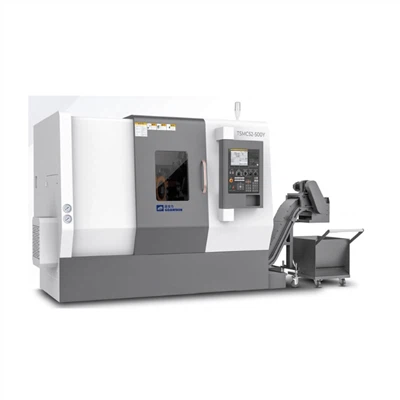
As a supplier of high-speed presses, we understand the importance of using the right materials in our machines. Our high-speed presses are designed and manufactured using the latest materials and technologies to ensure the highest level of performance. We offer a wide range of high-speed presses to meet the diverse needs of different industries.
High Speed Press If you are in the market for a high-speed press and want to learn more about how our products can benefit your production, we invite you to contact us for a detailed discussion. Our team of experts is ready to provide you with professional advice and solutions tailored to your specific requirements. Let’s work together to enhance your production efficiency and quality.
References
- Callister, W. D., & Rethwisch, D. G. (2013). Materials Science and Engineering: An Introduction. John Wiley & Sons.
- ASM International. (2008). Metals Handbook: Properties and Selection: Irons, Steels, and High-Performance Alloys. ASM International.
- Dieter, G. E. (1988). Mechanical Metallurgy. McGraw-Hill.
Ningbo Goanwin Machinery Manufacturing Co., Ltd.
Ningbo Goanwin Machinery Manufacturing Co., Ltd. is well-known as one of the leading high speed press manufacturers and suppliers in China. Please feel free to buy high quality high speed press from our factory. For more information, contact us now.
Address: No.318 Guangming Road, Guangming Industrial Zone, Zhenhai District, Ningbo, China
E-mail: ivy@goanwin.com
WebSite: https://www.goanwin.com/
