As a supplier of Ringlock Scaffolding, I’ve witnessed firsthand the critical role torsional resistance plays in ensuring the safety and stability of construction projects. Torsional forces can pose significant challenges to scaffolding structures, potentially leading to structural failure if not properly addressed. In this blog post, I’ll share some insights and strategies on how to improve the torsional resistance of Ringlock Scaffolding, based on my experience in the industry. Ringlock Scaffolding
Understanding Torsional Forces in Ringlock Scaffolding
Before delving into the strategies for improving torsional resistance, it’s essential to understand what torsional forces are and how they affect Ringlock Scaffolding. Torsional forces occur when a structure is subjected to a twisting motion, causing it to rotate around its axis. In the context of scaffolding, these forces can be generated by various factors, such as uneven loading, wind pressure, or dynamic loads from construction activities.
Ringlock Scaffolding is designed to withstand vertical loads efficiently, but torsional forces can put additional stress on the joints and components. If the scaffolding is not adequately braced or designed to resist torsion, it can lead to deformation, instability, and ultimately, collapse. Therefore, enhancing torsional resistance is crucial for maintaining the integrity of the scaffolding structure and ensuring the safety of workers.
Design Considerations for Improving Torsional Resistance
One of the most effective ways to improve the torsional resistance of Ringlock Scaffolding is through proper design. Here are some key design considerations to keep in mind:
1. Layout and Configuration
The layout and configuration of the scaffolding can significantly impact its torsional resistance. A well-planned layout that distributes loads evenly and provides sufficient bracing is essential. When designing the scaffolding, consider the following:
- Rectangular or Square Shapes: Opt for rectangular or square-shaped scaffolding configurations whenever possible. These shapes are more stable and less prone to torsional deformation compared to irregular or triangular shapes.
- Proper Spacing: Ensure that the vertical standards and horizontal ledgers are spaced appropriately to provide adequate support and stability. Follow the manufacturer’s guidelines for maximum spacing to prevent overloading and torsional stress.
- Bracing Systems: Incorporate a comprehensive bracing system into the design to resist torsional forces. Diagonal braces, both in the vertical and horizontal planes, are particularly effective in increasing the torsional stiffness of the scaffolding.
2. Joint Design and Connection Strength
The joints and connections in Ringlock Scaffolding play a critical role in transferring loads and resisting torsional forces. A strong and reliable joint design is essential for maintaining the integrity of the scaffolding structure. Here are some considerations for joint design:
- Secured Joints: Ensure that all joints are properly secured using the appropriate locking mechanisms. Ringlock joints are designed to provide a tight and secure connection, but it’s important to double-check that they are fully engaged and tightened.
- Joint Reinforcement: Consider using additional reinforcement at critical joints to increase their strength and resistance to torsional forces. This can include using larger diameter connectors or adding supplementary bracing elements.
- Compatibility: Ensure that all components used in the scaffolding are compatible and designed to work together. Using mismatched or inferior-quality components can compromise the joint strength and overall torsional resistance of the scaffolding.
Installation and Assembly Best Practices
Proper installation and assembly of Ringlock Scaffolding are crucial for achieving optimal torsional resistance. Here are some best practices to follow:
1. Level and Stable Foundation
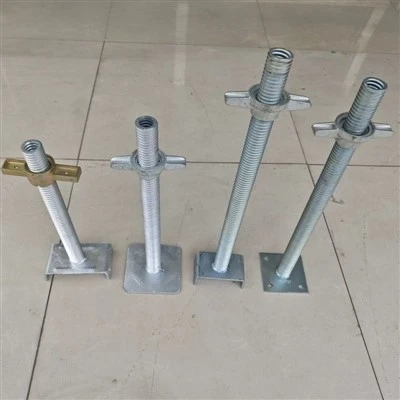
A level and stable foundation is the first step in ensuring the torsional resistance of the scaffolding. Before erecting the scaffolding, prepare the foundation surface to be firm, level, and free of any debris or obstacles. Use adjustable base jacks to compensate for any unevenness in the foundation and ensure that the scaffolding is plumb and square.
2. Correct Assembly Sequence
Follow the manufacturer’s recommended assembly sequence when erecting the Ringlock Scaffolding. This ensures that the components are installed in the correct order and that the joints are properly aligned and tightened. Improper assembly can lead to weak connections and reduced torsional resistance.
3. Bracing Installation
Install the bracing elements as per the design specifications. Diagonal braces should be installed at regular intervals to provide additional support and stability. Ensure that the braces are properly secured and tightened to prevent them from coming loose under torsional forces.
4. Quality Control and Inspection
Regularly inspect the scaffolding during and after installation to ensure that it is assembled correctly and that all components are in good condition. Check for any signs of damage, such as bent or cracked tubes, loose joints, or missing components. Address any issues immediately to prevent further deterioration and ensure the continued performance of the scaffolding.
Materials and Component Selection
The choice of materials and components used in Ringlock Scaffolding can also have a significant impact on its torsional resistance. Here are some factors to consider when selecting materials and components:
1. Material Strength and Quality
Use high-quality materials with sufficient strength and durability to withstand the anticipated loads and torsional forces. The steel tubes used in Ringlock Scaffolding should meet the relevant industry standards for strength and corrosion resistance. Ensure that the materials are properly tested and certified to guarantee their performance.
2. Component Design and Compatibility
Select components that are designed specifically for Ringlock Scaffolding and are compatible with each other. The design of the components should allow for easy and secure assembly, with features that enhance torsional resistance. For example, use connectors with a tight fit and a high locking torque to ensure a strong connection.
3. Additional Reinforcement
Consider using additional reinforcement components, such as cross braces, diagonal braces, or tie – backs, to increase the torsional resistance of the scaffolding. These components can provide extra support and stability, especially in areas where torsional forces are expected to be high.
Maintenance and Monitoring
Once the Ringlock Scaffolding is installed and in use, regular maintenance and monitoring are essential to ensure its continued torsional resistance. Here are some maintenance and monitoring practices to follow:
1. Regular Inspections
Conduct regular inspections of the scaffolding to check for any signs of damage, wear, or loosening of components. Inspect the joints, braces, and tubes for any cracks, bends, or corrosion. Address any issues immediately to prevent further damage and ensure the safety of the scaffolding.
2. Tightening and Adjustment
Periodically check and tighten all the joints and connections to ensure that they remain secure. Over time, the vibration and movement of the scaffolding can cause the joints to loosen, which can reduce the torsional resistance. Use the appropriate tools to tighten the joints to the manufacturer’s recommended torque settings.
3. Repair and Replacement
If any components are found to be damaged or worn, repair or replace them immediately. Do not attempt to use damaged components, as they can compromise the integrity of the scaffolding and increase the risk of failure. Use only approved replacement components that are compatible with the existing scaffolding.
4. Monitoring of Torsional Forces
In some cases, it may be necessary to monitor the torsional forces acting on the scaffolding during construction. This can be done using sensors or other monitoring devices. By monitoring the torsional forces, you can detect any abnormal or excessive forces and take corrective action before they cause damage to the scaffolding.
Conclusion
Improving the torsional resistance of Ringlock Scaffolding is a multi – faceted process that involves proper design, installation, material selection, and maintenance. By following the strategies outlined in this blog post, you can enhance the safety and stability of your scaffolding structures and ensure the successful completion of your construction projects.
Cuplock Scaffolding As a leading supplier of Ringlock Scaffolding, we are committed to providing high – quality products and expert advice to our customers. If you have any questions or need assistance with improving the torsional resistance of your scaffolding, or if you are interested in purchasing our Ringlock Scaffolding products, please contact us to discuss your requirements in detail. Our team of experienced professionals is ready to help you find the best solutions for your construction needs.
References
- British Standards Institution. (2009). BS 1139-5:2009. Metal scaffolding – Specifications for prefabricated tubular components.
- European Committee for Standardization. (2010). EN 12810-1:2010. Scaffolds – Performance requirements and general design.
- American National Standards Institute. (2017). ANSI/SSFI 100-2017. Safety requirements for scaffolds used in the construction industry.
Rizhao Wellfit Scafform Co., Ltd.
As one of the most professional ringlock scaffolding manufacturers and suppliers in China, we have world-leading production equipment and strong manufacturing capabilities. Please feel free to buy high quality ringlock scaffolding at competitive price from our factory.
Address: No. 7, Huasheng Road, Taoluo Town Industrial Zoon, Donggang District, Rizhao City
E-mail: sales@wfscafform.com
WebSite: https://www.wfscafform.com/
