Proper storage of agricultural implements is a crucial aspect of maintaining their functionality, extending their lifespan, and ensuring the efficiency of farming operations. As a supplier of a wide range of agricultural implements, I’ve witnessed firsthand the impact of good and bad storage practices on the quality of these essential tools. In this blog post, I’ll share some scientific and practical tips on how to store agricultural implements properly, based on industry knowledge and customer experiences. Agricultural Implements
Understanding the Enemies of Agricultural Implements
Before diving into storage methods, it’s important to understand what can damage agricultural implements. The main culprits are moisture, dirt, rust, pests, and mechanical stress. Moisture can lead to rust, which weakens the metal parts of the implements. Dirt and debris can clog moving parts, causing them to wear out more quickly. Pests such as rodents can chew on belts, wires, and other components, while mechanical stress from improper storage can cause bending or cracking.
Cleaning and Maintenance Before Storage
The first step in proper storage is to clean and maintain the agricultural implements thoroughly. This not only helps in preventing damage during storage but also makes the implements ready for use when the next farming season arrives.
- Remove Dirt and Debris: Use a high – pressure washer or a stiff brush to remove dirt, mud, and plant residues from the implements. Pay special attention to crevices, joints, and areas where dirt tends to accumulate. For example, on a plow, make sure to clean the moldboards and share edges completely.
- Lubricate Moving Parts: Apply a suitable lubricant to all moving parts such as gears, bearings, and chains. Lubrication reduces friction, prevents rust, and ensures smooth operation when the implement is used again. Use a lubricant that is specifically formulated for agricultural equipment and follow the manufacturer’s recommendations.
- Inspect for Damage: Conduct a detailed inspection of the implements for any signs of damage, such as cracks, bent parts, or loose bolts. Repair or replace any damaged components before storage. This not only prevents further damage during storage but also saves time and money in the long run.
Choosing the Right Storage Location
The storage location plays a vital role in protecting agricultural implements. The ideal storage area should be dry, clean, and well – ventilated.
- Indoor Storage: If possible, store implements indoors in a barn or a shed. Indoor storage provides protection from the elements, such as rain, snow, and direct sunlight. It also helps in keeping pests away. Make sure the indoor storage area is clean and free of debris. You can use shelves, racks, or wall – mounted hooks to organize the implements and save space.
- Outdoor Storage: In cases where indoor storage is not available, outdoor storage can be used. However, extra precautions must be taken. Cover the implements with a heavy – duty tarp to protect them from rain, snow, and UV rays. The tarp should be secured tightly to prevent it from being blown away by the wind. Also, place the implements on a raised platform to keep them away from standing water.
Storage Techniques for Different Types of Agricultural Implements
Different types of agricultural implements require specific storage techniques. Here are some tips for common types of implements:
- Hand Tools: Hand tools such as shovels, hoes, and rakes can be stored on a pegboard or in a toolbox. Make sure the tools are clean and dry before storage. You can also apply a thin layer of oil to the metal parts to prevent rust.
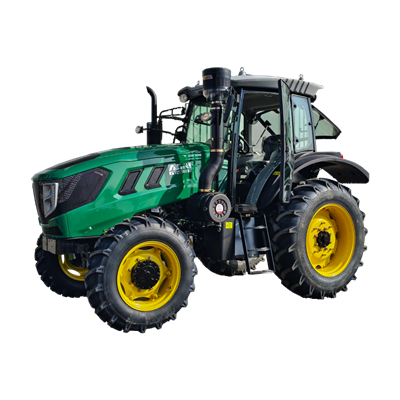
- Powered Equipment: Tractors, combines, and other powered equipment should be stored in a well – ventilated area. Drain the fuel tank or add a fuel stabilizer to prevent fuel degradation. Disconnect the battery and store it in a cool, dry place. Also, cover the engine with a breathable cover to prevent dust and debris from entering.
- Irrigation Equipment: Sprinklers, hoses, and drip irrigation systems should be stored properly to prevent damage. Drain the water from the hoses and coils them neatly. Store sprinklers and drip emitters in a dry place, preferably in a container or a box to keep them organized.
Long – Term Storage Considerations
For long – term storage, additional steps need to be taken to ensure the implements remain in good condition.
- Seal Openings: Use gaskets or covers to seal any openings in the implements, such as air intakes, exhaust pipes, and fuel fillings. This prevents the entry of dust, moisture, and pests.
- Check Periodically: Even if the implements are in storage, it’s important to check them periodically. Look for signs of rust, pest infestation, or any other damage. If any issues are detected, take immediate action to address them.
- Document Storage Information: Keep a record of the storage location, cleaning procedures, and maintenance activities for each implement. This information can be useful when it’s time to retrieve the implements for use.
Importance of Proper Storage for Farmers
Proper storage of agricultural implements offers several benefits to farmers. Firstly, it extends the lifespan of the implements, reducing the need for frequent replacements. This saves money in the long run. Secondly, well – stored implements are less likely to break down during use, ensuring that farming operations can proceed smoothly. This leads to increased productivity and efficiency. Thirdly, proper storage helps in maintaining the value of the implements, which can be important if the farmer decides to sell or trade them in the future.
Encouraging Contact for Purchase and In – Depth Advice
As an experienced agricultural implements supplier, I understand that every farming operation is unique, and the storage requirements for different implements may vary. Whether you’re looking for more information on specific storage techniques, need advice on choosing the right agricultural implements for your needs, or are interested in purchasing high – quality equipment, I’m here to help.
I offer a wide range of agricultural implements that are designed to meet the diverse needs of modern farmers. Each product is carefully selected for its durability, performance, and ease of maintenance. By investing in our products and following proper storage practices, you can ensure that your farming operations are more efficient and cost – effective.
If you have any questions or would like to discuss your agricultural implement needs, don’t hesitate to contact me. I’m committed to providing personalized solutions and excellent customer service to help you achieve your farming goals.
References
- "Agricultural Machinery Management", by Brayton, et al.
- "Farm Equipment Maintenance Guide", published by the USDA Cooperative Extension Service
Tractor Attachments I hope this blog post has been helpful in guiding you on how to store agricultural implements properly. By following these tips, you can protect your valuable equipment and ensure its long – term functionality.
Shandong Ling Ke Industry Group Co., Ltd.
As one of the most professional agricultural implements manufacturers and suppliers in China, we’re featured by quality products and good price. Please rest assured to buy cheap agricultural implements for sale here from our factory. We also accept customized orders.
Address: 50 Meters West of the Connecting Road Between Jiuma Road and Shima Road, Fangzi District, Weifang City, Shandong Province, P.R.China
E-mail: aileenlin@sdlingkegroup.com
WebSite: https://www.lingketractor.com/
