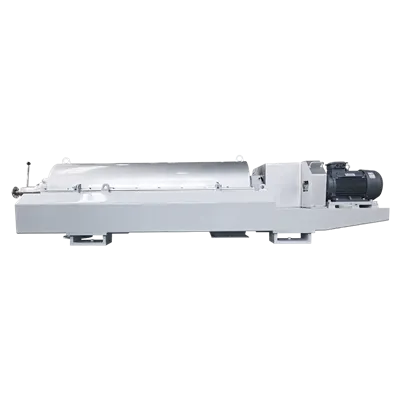
Cleaning a 3 Phase Decanter Centrifuge used in the food industry is a critical process that ensures the quality of the products, extends the lifespan of the equipment, and maintains high – level hygiene standards. As a 3 – phase decanter centrifuge supplier, I understand the importance of this process and am here to share some comprehensive guidelines on how to clean it effectively. 3 Phase Decanter Centrifuge
Pre – cleaning Preparations
Before starting the cleaning process, it is essential to take some necessary safety precautions. First, ensure that the centrifuge is completely shut down and disconnected from the power source. This step is non – negotiable as it prevents any potential electrical hazards during the cleaning process.
Next, gather all the required cleaning supplies. These typically include mild detergents specifically formulated for food – grade equipment, soft – bristle brushes, clean water, and appropriate personal protective equipment (PPE) such as gloves, goggles, and aprons. The mild detergent should be able to remove grease, oil, and food residues without causing any damage to the centrifuge’s components.
Inspect the centrifuge for any visible damage or wear. Check the belts, bearings, and seals for signs of leakage or excessive wear. If any issues are detected, it is advisable to address them before proceeding with the cleaning. This not only ensures a more effective cleaning but also helps in preventing further damage to the equipment.
Disassembly of the Centrifuge
The 3 – phase decanter centrifuge consists of several components that need to be disassembled for a thorough cleaning. Start by removing the outer covers and access panels. These panels are usually secured with bolts or screws, so use the appropriate tools to remove them carefully.
Once the outer covers are removed, locate the feed pipe, discharge pipes, and the bowl assembly. The feed pipe is where the raw material enters the centrifuge, and the discharge pipes are for the separated phases (solid, liquid – light, and liquid – heavy). Disconnect these pipes from the centrifuge using the proper wrenches or connectors.
The bowl assembly is the core part of the centrifuge where the separation process takes place. It is often held in place by a locking mechanism. Follow the manufacturer’s instructions to unlock and remove the bowl assembly. This step requires some technical knowledge, so if you are unsure, it is recommended to consult the user manual or contact our technical support team.
Cleaning the Components
Bowl Assembly
The bowl assembly is the most critical component to clean as it comes into direct contact with the food product. Start by rinsing the bowl with clean water to remove any loose debris. Then, apply a mild detergent to the inner surface of the bowl and use a soft – bristle brush to scrub gently. Pay special attention to the areas where solids tend to accumulate, such as the sedimentation zone and the scroll conveyor.
After scrubbing, rinse the bowl thoroughly with clean water to ensure that all the detergent is removed. Any residual detergent can contaminate the food product in subsequent operations. Inspect the bowl for any remaining debris and repeat the cleaning process if necessary.
Feed and Discharge Pipes
The feed and discharge pipes can also accumulate residues over time. Remove any large particles from the pipes using a pipe cleaner or a brush. Then, soak the pipes in a solution of mild detergent and water for about 30 minutes. This helps to loosen the stubborn residues.
After soaking, use a high – pressure water jet to flush out the pipes. Make sure to clean both the inner and outer surfaces of the pipes. Check the pipes for any blockages and clear them if found.
Other Components
The outer covers, access panels, and other small components should also be cleaned. Wipe them down with a cloth soaked in the mild detergent solution and then rinse with clean water. Dry all the components thoroughly before reassembly to prevent rust and corrosion.
Reassembly of the Centrifuge
Once all the components are clean and dry, it is time to reassemble the centrifuge. Start by reinstalling the bowl assembly, following the reverse order of disassembly. Make sure the bowl is properly aligned and locked in place.
Reconnect the feed and discharge pipes, ensuring that all the connections are tight and leak – free. Replace the outer covers and access panels, and secure them with the bolts or screws.
Post – cleaning Checks
After reassembly, perform a series of checks to ensure that the centrifuge is functioning correctly. First, visually inspect the centrifuge for any loose parts or improper connections. Then, reconnect the power source and perform a test run at a low speed.
Monitor the centrifuge during the test run for any abnormal noises, vibrations, or leaks. Check the temperature of the bearings and other critical components to ensure that they are within the normal operating range. If any issues are detected, stop the centrifuge immediately and troubleshoot the problem.
Regular Cleaning Schedule
To maintain the performance and hygiene of the 3 – phase decanter centrifuge, it is recommended to establish a regular cleaning schedule. The frequency of cleaning depends on several factors, such as the type of food product being processed, the operating conditions, and the production volume.
For high – volume production of sticky or oily food products, daily cleaning may be necessary. In contrast, for low – volume production of less viscous products, cleaning once or twice a week may be sufficient. Regular cleaning not only ensures the quality of the food product but also reduces the risk of equipment breakdowns.
Importance of Professional Maintenance
While regular cleaning is essential, it is also important to have the centrifuge professionally maintained on a regular basis. Professional maintenance includes tasks such as lubrication of bearings, calibration of sensors, and inspection of electrical systems.
Our company offers professional maintenance services for 3 – phase decanter centrifuges. Our team of experienced technicians is trained to perform all the necessary maintenance tasks to ensure the optimal performance and longevity of your centrifuge.
Contact for Purchase and Consultation
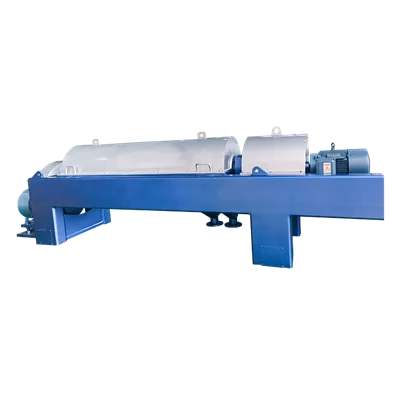
If you are in the market for a 3 – phase decanter centrifuge or need further advice on cleaning and maintenance, we are here to help. Our products are designed to meet the highest standards of quality and performance in the food industry. We offer a wide range of models to suit different production requirements.
Dewatering Centrifuge Whether you are a small – scale food producer or a large – scale industrial manufacturer, we can provide you with the right centrifuge solution. Contact us today to discuss your specific needs and start a fruitful business partnership.
References
- "Food Industry Equipment Maintenance Handbook", published by a leading industry press.
- Manufacturer’s user manuals for 3 – phase decanter centrifuges.
- Industry best – practice guidelines on food – grade equipment cleaning and maintenance.
Lishui Yuanrong Environmental Protection Equipment Co., Ltd.
As one of the most professional 3 phase decanter centrifuge manufacturers and suppliers in China, we have world-leading production equipment and strong manufacturing capabilities. Please feel free to buy customized 3 phase decanter centrifuge from our factory. Also, quotation is available.
Address: Lot 6-1, Block 15, Wanyang Zongchuang City, Lishui, Zhejiang, China
E-mail: 361184920@qq.com
WebSite: https://www.yrhdc.com/
