Hey there! I’m a supplier of auxiliary equipment, and I often get asked, "How much do auxiliary equipments usually cost?" Well, it’s not a one – size – fits – all answer, so let me break it down for you. Auxiliary Equipments
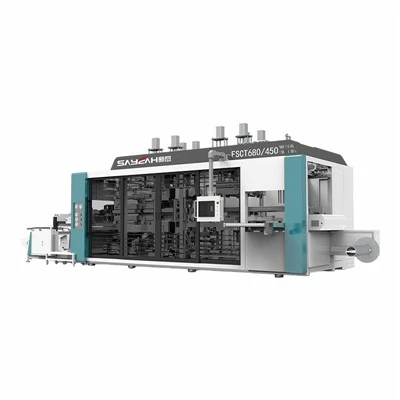
First off, what are auxiliary equipments? They’re the additional tools and machines that complement the main production or processing systems. Think of stuff like material handling systems, temperature control units, and filtration systems. These things might not be the star of the show, but they’re crucial for keeping operations running smoothly.
The cost of auxiliary equipment can vary widely depending on several key factors. Let’s start with the type of equipment.
Material Handling Equipment
Material handling equipment includes conveyors, hoppers, and robots that move raw materials and finished products within a facility. Simple gravity conveyors can be relatively inexpensive. You might be able to find a basic, small – scale gravity conveyor for as low as $500 – $1,500. These are great for small businesses or startups with limited budgets. They’re easy to install and don’t require much maintenance.
But if you’re looking for a more advanced automated conveyor system with sensors, adjustable speeds, and the ability to handle different types of materials, the cost can shoot up quickly. A medium – sized automated conveyor system could cost anywhere from $10,000 to $50,000. And for large – scale, high – tech conveyor systems used in big manufacturing plants or warehouses, you’re looking at $50,000 and up, sometimes reaching into the hundreds of thousands of dollars.
Robotic material handling systems are even more expensive. A basic industrial robot for simple pick – and – place tasks can start at around $20,000. But if you need a robot with more degrees of freedom, high precision, and the ability to work in a complex environment, the price can easily exceed $100,000.
Temperature Control Units
Temperature control is super important in many industries, especially in food processing, plastics manufacturing, and chemical production.
The simplest type of temperature control unit is a basic water – cooled chiller. For small applications, like a small plastics injection molding machine, a compact water – cooled chiller might cost around $2,000 – $5,000. These units are relatively easy to operate and maintain.
However, larger industrial – grade chiller systems, which are used in big factories or commercial buildings, can be extremely costly. A large – scale air – cooled chiller with a high cooling capacity can cost between $50,000 and $200,000. And if you need a custom – designed chiller system with specific requirements, such as low – temperature operation or high – efficiency performance, the price can go even higher.
On the other hand, heating units, like those used for pre – heating materials in a production process, also vary in price. A small electric heating element for a laboratory – scale operation might cost only a few hundred dollars. But a large – scale industrial furnace for metal processing can cost hundreds of thousands of dollars, depending on its size, heating capacity, and the type of fuel it uses.
Filtration Systems
Filtration systems are used to remove impurities from liquids or gases. In the water treatment industry, a simple sediment filter for a small household or office can cost as little as $50 – $100. These are easy to replace and are great for basic water purification.
For industrial applications, the cost of filtration systems can be much higher. A medium – sized bag filter system for a manufacturing plant might cost around $5,000 – $10,000. These systems are designed to handle a larger volume of fluid and can remove a wider range of contaminants.
High – end membrane filtration systems, which are used for ultra – pure water production or in the pharmaceutical industry, can be extremely expensive. A state – of – the – art reverse osmosis membrane filtration system can cost anywhere from $20,000 to over $100,000, depending on its capacity and the level of purification it can achieve.
Brand and Quality
Another factor that affects the cost is the brand and quality of the equipment. Well – known brands usually charge more for their products. This is because they often have a reputation for reliability, better customer service, and longer product lifespans. For example, a leading brand of temperature control units might cost 20% – 50% more than a no – name brand with similar specifications.
But here’s the thing: sometimes, paying a little extra for a well – established brand can save you money in the long run. You’re less likely to encounter breakdowns and maintenance issues, which means less downtime for your operations.
New vs. Used Equipment
Buying used auxiliary equipment can be a cost – effective option. You can often find used equipment at a fraction of the price of new equipment. For example, a used conveyor system in good condition might cost only 30% – 50% of the price of a new one.
However, there are risks involved. Used equipment might have hidden problems, and it might not come with a warranty. So, you need to be careful when buying used. Make sure to inspect the equipment thoroughly or have a professional do it for you.
In conclusion, the cost of auxiliary equipment can range from a few hundred dollars to hundreds of thousands of dollars, depending on the type, brand, quality, and whether it’s new or used.

If you’re in the market for auxiliary equipment, don’t just focus on the price. Consider your specific needs, the long – term reliability of the equipment, and the support you’ll get from the supplier.
Four Station Thermoforming Machine I’m here to help you find the right auxiliary equipment for your business at a reasonable price. Whether you’re a small startup or a large corporation, I’ve got solutions that can fit your budget. If you want to learn more or discuss your specific requirements, feel free to reach out for a procurement discussion. I’m happy to answer any questions you might have and provide you with a detailed quote.
References
- "Industrial Equipment Pricing Guide" – A handbook on the cost analysis of various industrial machinery.
- Industry reports from the Material Handling Industry Association (MHIA).
- Publications from the International Society of Automation (ISA) on temperature control and filtration systems cost.
Zhejiang Sayeah Machinery Co., Ltd.
Zhejiang Sayeah Machinery Co., Ltd. is one of the most reliable manufacturers and suppliers of auxiliary equipments in China, also supports high quality customized service. Please feel free to buy CE approved auxiliary equipments from our factory. For price consultation, contact us.
Address: Wanquan District Industrial Zone,West Of China National Highway 104, Sunlou Village, Wanquan Town, Pingyang County, Zhejiang Province. China
E-mail: sales@sayeahmachinery.com
WebSite: https://www.sayeahthermoforming.com/
